








1 / 10 Questions
0 Points

What was the primary purpose of early historical maps?

Artistic decoration

Navigation and land ownership

Weather prediction

Entertainment

Points won
0
Correct score
0%

More Questions

More Articles

Did You Know These Countries Have Strange Traditions?

Did You Know These Countries Have Strange Traditions?

⏱️ 5 min read

Every culture around the world has developed unique customs and traditions that reflect their history, beliefs, and values. While some practices may seem unusual to outsiders, they hold deep significance for the communities that maintain them. From festivals involving unusual foods to ceremonies that defy modern logic, these traditions offer fascinating insights into human diversity and cultural richness.

Spain's La Tomatina: The World's Largest Food Fight

Every August in the small Spanish town of Buñol, thousands of people gather for what might be the messiest festival on Earth. La Tomatina transforms the streets into rivers of red as participants hurl overripe tomatoes at each other for approximately one hour. This tradition began in 1945, reportedly after a street brawl near a vegetable stand, and has since evolved into an internationally recognized event that attracts visitors from across the globe.

The festival follows specific rules to ensure safety, including the requirement that tomatoes must be squashed before throwing to reduce impact. Approximately 150,000 tomatoes are used during the event, and the natural acidity of the fruit actually helps clean the streets afterward. Fire trucks spray water to wash away the tomato pulp, leaving the town remarkably clean by day's end.

Finland's Wife Carrying Championship

In Finland, the town of Sonkajärvi hosts an annual competition that tests both physical strength and marital teamwork. The Wife Carrying World Championships require male participants to navigate an obstacle course while carrying a female teammate, who may or may not be their actual wife. The course includes water obstacles, sand traps, and hurdles, all while maintaining hold of their partner.

This peculiar tradition allegedly originates from 19th-century folklore about a brigand named Ronkainen who required his gang members to carry heavy sacks through obstacle courses as training. The winner receives the wife's weight in beer as a prize, making the competition both challenging and rewarding. The event has inspired similar competitions worldwide and showcases Finnish humor and athletic prowess.

Japan's Kanamara Matsuri: The Festival of the Steel Phallus

Japan celebrates numerous festivals throughout the year, but few are as unconventional as the Kanamara Matsuri in Kawasaki. This spring festival centers around phallic imagery and celebrates fertility, marriage, and sexual health. Participants carry large phallus-shaped portable shrines through the streets, and vendors sell related foods, decorations, and souvenirs.

The festival's origins trace back to a legend about a demon who hid inside a woman's body, and a blacksmith who forged a steel phallus to defeat it. Today, the event serves multiple purposes, including raising awareness about sexually transmitted infections and supporting HIV research. Despite its unusual nature, the festival attracts families, tourists, and locals who participate in the celebrations with good humor and cultural appreciation.

Scotland's Hogmanay and First Footing Traditions

Scotland's New Year celebration, known as Hogmanay, includes a custom called "first footing" that determines the household's fortune for the coming year. According to tradition, the first person to cross a threshold after midnight should be a tall, dark-haired male bearing gifts such as coal, salt, shortbread, or whisky. Each gift holds symbolic meaning: coal represents warmth, salt represents flavor and preservation, and whisky represents good cheer.

The tradition reflects ancient beliefs about luck and prosperity, with specific characteristics considered more auspicious than others. Fair-haired visitors were historically viewed with suspicion, possibly dating back to Viking invasions. Many Scottish families still observe this custom, carefully arranging who will be their first visitor of the new year.

Denmark's Plate Smashing and Cinnamon Showering

Denmark maintains several unusual traditions that perplex outsiders. One custom involves saving old dishes throughout the year to smash against friends' and family members' doors on New Year's Eve. The larger the pile of broken crockery outside someone's home, the more popular and well-liked they are considered to be.

Another Danish tradition involves showering unmarried individuals with cinnamon on their 25th birthday. This custom originated from spice salesmen who traveled extensively and often remained unmarried. Today, friends and family ambush birthday celebrants with cinnamon powder, sometimes creating elaborate setups. Those who remain single until 30 receive pepper instead, escalating the spice-based tradition.

South Korea's Boryeong Mud Festival

What began as a marketing campaign for cosmetic products has transformed into one of South Korea's most popular summer events. The Boryeong Mud Festival attracts millions of visitors who cover themselves in mineral-rich mud believed to have therapeutic properties. The festival features mud wrestling, mud slides, mud baths, and even a mud prison where participants can playfully incarcerate their friends.

The mud comes from the Boryeong flats and contains minerals that supposedly benefit skin health. Beyond the muddy activities, the festival includes concerts, fireworks, and various entertainment options. What started as an unusual promotional event has become a celebration of fun, community, and the willingness to get thoroughly dirty.

The Cultural Significance of Unusual Traditions

These strange traditions serve important functions within their respective societies. They strengthen community bonds, preserve historical memory, and provide opportunities for joy and celebration. What appears bizarre to outsiders often carries profound meaning for participants, representing centuries of cultural evolution and adaptation. These customs remind us that diversity in human expression is vast, and that understanding different traditions enriches our global perspective. Rather than dismissing unfamiliar practices, recognizing their context and significance fosters cross-cultural appreciation and respect.
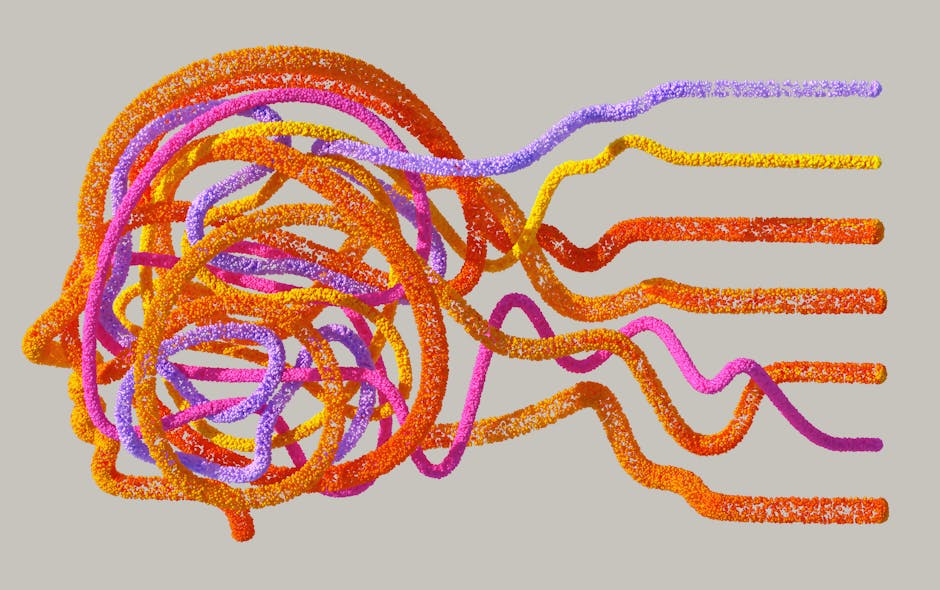
Top 10 Strange Brain Facts You Didn’t Learn in School

Top 10 Strange Brain Facts You Didn’t Learn in School

⏱️ 7 min read

The human brain remains one of the most mysterious and fascinating organs in the body, yet standard education only scratches the surface of its peculiar capabilities and characteristics. Behind the basic biology lessons about neurons and lobes lies a world of bizarre facts that challenge our understanding of consciousness, memory, and human potential. These remarkable discoveries reveal just how strange and wonderful our brains truly are.

Extraordinary Brain Discoveries That Challenge Common Knowledge

1. Your Brain Generates Enough Electricity to Power a Light Bulb

The electrical activity in the human brain is far more powerful than most people realize. While awake, the brain produces approximately 12-25 watts of electricity—enough to illuminate a low-wattage LED bulb. This electrical energy comes from the approximately 86 billion neurons constantly firing and communicating with each other through electrical impulses. These impulses travel at speeds up to 268 miles per hour, creating a vast network of electrical activity that enables every thought, movement, and sensation. The brain's electrical patterns are so distinct that they're unique to each individual, much like a fingerprint.

2. Brain Tissue Has the Consistency of Tofu

Despite being the command center for the entire body, the brain has a surprisingly soft and delicate texture. Fresh brain tissue has a consistency similar to soft tofu or gelatin, which is why it requires the protective casing of the skull. This gelatinous composition consists of approximately 60% fat, making the brain the fattiest organ in the human body. The soft tissue is mostly made up of water (about 73%), along with proteins, lipids, and trace amounts of micronutrients. This delicate structure is why brain injuries can be so devastating—the tissue is easily damaged by impact or sudden movements.

3. The Brain Doesn't Feel Pain Despite Processing All Body Pain

One of the most paradoxical facts about the brain is that while it processes all pain signals from throughout the body, it contains no pain receptors itself. This is why neurosurgeons can perform brain surgery on conscious patients without causing discomfort to the brain tissue itself. The pain felt during headaches doesn't actually come from the brain but from the surrounding tissues, blood vessels, membranes, and nerves in the head and neck. This unique characteristic has enabled researchers to conduct awake brain surgeries where patients can communicate and respond while surgeons operate on their brains.

4. Your Brain Creates False Memories Without You Knowing

Memory is far less reliable than most people believe. Research has demonstrated that the brain routinely fabricates, alters, and embellishes memories without conscious awareness. Each time a memory is recalled, it's actually reconstructed rather than simply retrieved, making it susceptible to modification. Studies have shown that researchers can implant entirely false memories in subjects' minds through suggestion and reinforcement. This phenomenon explains why eyewitness testimony can be unreliable and why siblings often remember the same childhood events differently. The brain fills in gaps with plausible details, creating a coherent narrative that feels authentic but may never have occurred.

5. Brain Freeze Is Actually Your Brain Protecting Itself

The painful sensation commonly known as "brain freeze" or an ice cream headache is actually a protective mechanism. When something cold touches the roof of the mouth, blood vessels constrict and then rapidly dilate, which the brain interprets as a threat. In response, it triggers pain receptors in the forehead area as a warning signal to slow down consumption of the cold substance. This reaction is the brain's way of preventing rapid temperature changes that could potentially affect its function. The referred pain—where the sensation is felt in the forehead rather than where the cold actually touches—demonstrates the brain's complex pain-signaling systems.

6. Your Brain Uses 20% of Your Body's Energy While Being Only 2% of Body Weight

The brain is an incredibly energy-hungry organ. Despite accounting for only about 2% of total body weight, it consumes approximately 20% of the body's oxygen and calories. This massive energy requirement exists even during sleep, as the brain never truly rests. It constantly maintains basic functions, consolidates memories, and performs essential maintenance. This high energy demand explains why mental exhaustion feels similar to physical fatigue and why glucose depletion affects cognitive performance so dramatically. The brain's fuel of choice is glucose, and it requires about 420 kilocalories per day to function properly.

7. Brain Information Travels at Different Speeds

Not all thoughts and signals move through the brain at the same rate. Information travels along different types of neurons at vastly different speeds, ranging from 0.5 meters per second to 120 meters per second. This variation depends on whether the neurons are myelinated (covered with an insulating fatty sheath) and their diameter. This explains why reaction times differ for various stimuli—you'll pull your hand away from a hot stove faster than you'll solve a complex math problem. The speed differences also explain why some reflexes occur before conscious awareness; the signals travel through faster pathways that bypass higher processing centers.

8. Forgetting Is a Brain Feature, Not a Bug

Contrary to popular belief, forgetting isn't necessarily a failure of memory—it's often an intentional feature designed to optimize brain function. The brain actively removes unnecessary information to prevent cognitive overload and improve decision-making efficiency. Research has shown that forgetting helps the brain generalize from past experiences, discard outdated information, and make room for new, relevant memories. This process, called "synaptic pruning," is particularly active during sleep when the brain consolidates important memories while discarding trivial details. People with conditions that prevent normal forgetting often struggle with cognitive function rather than benefiting from perfect recall.

9. Your Brain Continues Developing Until Your Late Twenties

While conventional wisdom once held that brain development ceased in adolescence, neuroscience has revealed that the brain continues maturing well into the mid-to-late twenties. The prefrontal cortex—responsible for decision-making, impulse control, and risk assessment—is among the last regions to fully develop. This extended development period explains many behavioral patterns observed in teenagers and young adults, including increased risk-taking and emotional volatility. The brain develops from back to front, with emotional centers maturing before rational control centers. This mismatch period represents a vulnerable time when individuals possess adult-like emotions but still-developing judgment capabilities.

10. Your Brain Can Rewire Itself Throughout Your Entire Life

Perhaps the most encouraging brain fact is neuroplasticity—the brain's ability to reorganize itself by forming new neural connections throughout life. This capability was once thought impossible in adults, but research has proven that the brain remains adaptable regardless of age. Learning new skills, experiencing novel situations, and recovering from injuries all trigger neural reorganization. Stroke patients can regain lost functions as other brain areas assume responsibilities of damaged regions. Musicians show enlarged areas corresponding to their practiced skills. Even thinking patterns can physically reshape brain structure over time. This remarkable plasticity means that personal change and learning remain possible at any age, demolishing the myth that old brains can't learn new tricks.

Understanding Our Remarkable Mental Machinery

These ten strange facts reveal that the brain operates in ways far more complex and unusual than standard education typically covers. From its tofu-like texture and massive energy consumption to its ability to create false memories and rewire itself throughout life, the brain challenges our assumptions about human biology and capability. Understanding these peculiar characteristics not only satisfies curiosity but also provides practical insights into learning, memory, health, and human potential. The brain's strangeness is ultimately what makes human consciousness possible—a biological marvel that continues to surprise researchers and remind us how much remains to be discovered about the three pounds of tissue that makes us who we are.