
⏱️ 5 min read
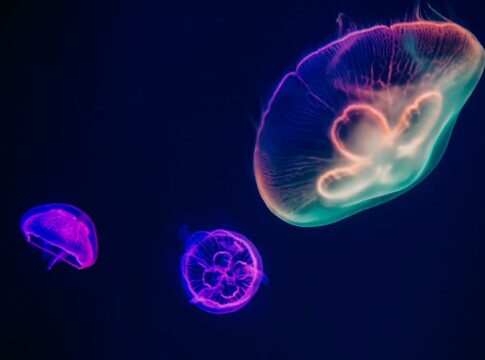
Beneath the ocean’s surface exists a phenomenon that rivals any man-made light display. Bioluminescence, the ability of living organisms to produce their own light through chemical reactions, illuminates the dark depths of our seas with an ethereal glow. This remarkable adaptation has evolved independently across numerous marine species, serving purposes from predation to protection, and continues to captivate scientists and ocean enthusiasts alike.
The Science Behind Ocean Bioluminescence
Bioluminescence occurs when specific chemical compounds within an organism react to produce light. The process typically involves a light-emitting molecule called luciferin and an enzyme called luciferase. When oxygen is present, luciferase catalyzes the oxidation of luciferin, releasing energy in the form of photons. Unlike incandescent bulbs that waste energy as heat, bioluminescent reactions are remarkably efficient, converting nearly 100% of the chemical energy directly into light.
The colors produced by bioluminescent organisms vary depending on the chemical structure of their luciferin and the protein environment surrounding the reaction. Most marine bioluminescence appears blue or green, as these wavelengths travel farthest through seawater. However, some species have evolved to produce red, yellow, or even violet light for specialized purposes.
Jellyfish: Masters of Marine Illumination
Among the most recognizable bioluminescent creatures are jellyfish, particularly the crystal jelly (Aequorea victoria). This transparent species contains a bioluminescent protein called aequorin and a green fluorescent protein (GFP) that has revolutionized biological research. Scientists have utilized GFP as a marker to track cellular processes, leading to a Nobel Prize in Chemistry in 2008.
The comb jelly, though not a true jellyfish, produces stunning displays of rainbow-colored light along its comb rows. Unlike chemical bioluminescence, comb jellies create their light show through diffraction, where hair-like cilia scatter light into spectral colors as they beat in coordinated waves. This phenomenon demonstrates that not all glowing ocean creatures rely on the same mechanisms to produce their luminous effects.
Deep-Sea Anglerfish and Their Lures
The anglerfish represents one of nature’s most ingenious applications of bioluminescence. Female anglerfish possess a modified dorsal spine called an esca that extends forward like a fishing rod, complete with a glowing tip. This luminous lure contains symbiotic bioluminescent bacteria that produce light continuously. In the pitch-black environment of the deep ocean, this beacon attracts curious prey directly toward the anglerfish’s enormous mouth.
The relationship between anglerfish and their bacterial partners exemplifies mutualism in extreme environments. The bacteria receive shelter and nutrients from the fish, while the anglerfish gains a reliable hunting tool. Different anglerfish species host distinct bacterial strains, suggesting a long evolutionary partnership between these organisms.
Dinoflagellates: Tiny Organisms Creating Spectacular Displays
Dinoflagellates are single-celled plankton responsible for some of the ocean’s most breathtaking bioluminescent displays. When disturbed by waves, swimming fish, or boat movement, these microscopic organisms emit flashes of blue-green light lasting just a tenth of a second. Collectively, billions of dinoflagellates can transform entire coastlines into glowing, electric-blue waters.
This defensive mechanism, known as the “burglar alarm” hypothesis, serves to startle predators or attract secondary predators that might consume the organisms threatening the dinoflagellates. The famous bioluminescent bays of Puerto Rico and the Maldives owe their spectacular nighttime radiance to dense concentrations of these remarkable microorganisms.
Firefly Squid and Midwater Light Shows
The firefly squid (Watasenia scintillans) decorates its body with thousands of specialized light-producing organs called photophores. These tiny squid, measuring only three inches long, create intricate patterns of blue light across their tentacles, head, and body. During mating season, millions of firefly squid gather in Toyama Bay, Japan, creating underwater light displays visible from shore.
Scientists believe firefly squid use their photophores for multiple purposes:
- Counter-illumination camouflage to match downwelling light and avoid predators from below
- Communication signals during mating rituals
- Attraction of small prey organisms
- Coordination of group movements in deep water
The Vampire Squid’s Deceptive Defense
Despite its ominous name, the vampire squid (Vampyroteuthis infernalis) is a gentle creature inhabiting oxygen-minimum zones in tropical and temperate oceans. This living fossil possesses one of the ocean’s most sophisticated bioluminescent defense systems. When threatened, it expels glowing mucus from its arm tips, creating a luminous cloud that confuses predators while the squid retreats into darkness.
The vampire squid can also activate photophores across its body in controlled sequences, creating the illusion of a much larger creature. This ability to manipulate bioluminescence for both distraction and intimidation showcases the evolutionary refinement of light production in deep-sea environments.
Conservation and Research Implications
Understanding bioluminescence extends beyond scientific curiosity. These glowing organisms serve as indicators of ocean health, with changes in bioluminescent populations potentially signaling environmental disruptions. Furthermore, bioluminescent proteins have become invaluable tools in medical research, cancer detection, and biotechnology applications.
As deep-sea exploration advances, researchers continue discovering new bioluminescent species, with estimates suggesting that up to 90% of deep-sea creatures possess some form of light-producing capability. Protecting these extraordinary ecosystems ensures that future generations can benefit from both the natural wonder and scientific potential of ocean bioluminescence. The glowing inhabitants of our oceans remind us that some of nature’s most spectacular innovations remain hidden beneath the waves, waiting to illuminate our understanding of life itself.