







⏱️ 7 min read
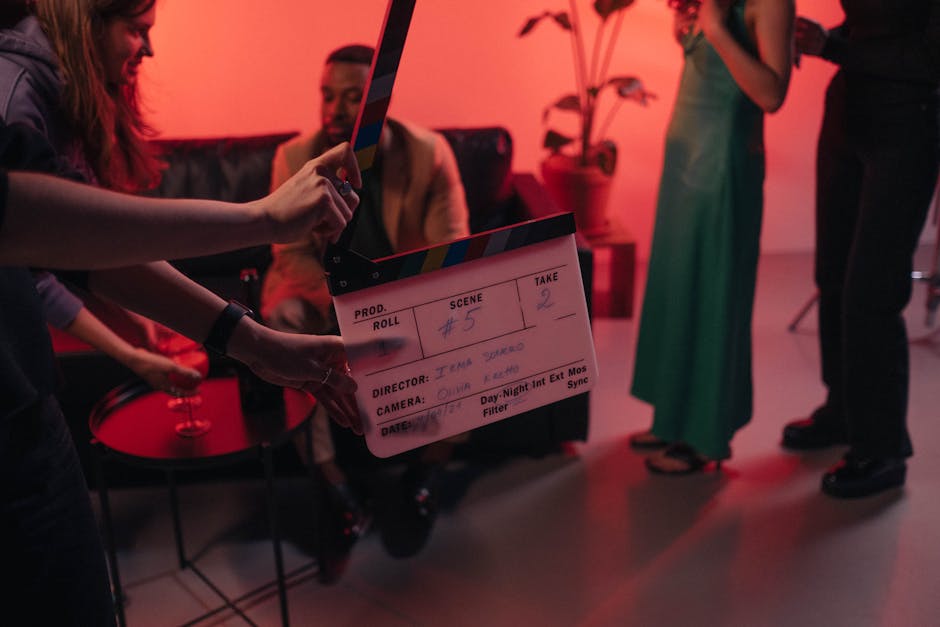
Behind the glitz and glamour of Hollywood's biggest blockbusters lie some truly bizarre stories that never made it into the promotional materials. From unexpected accidents that became iconic scenes to peculiar methods actors used to get into character, the world of filmmaking is filled with strange and fascinating production facts that reveal just how chaotic and unpredictable the creative process can be. These behind-the-scenes tales showcase the dedication, improvisation, and sometimes sheer luck that goes into creating cinematic magic.
Remarkable Behind-the-Scenes Tales from Hollywood
1. The Chest-Burster Scene That Made the Cast Actually Scream
During the filming of "Alien" (1979), director Ridley Scott deliberately kept the cast in the dark about the full extent of the chest-burster scene. The actors knew something would emerge from John Hurt's chest, but they had no idea about the explosive nature of the effect or the amount of blood that would spray everywhere. When the scene was filmed, the genuine shock and horror on the actors' faces were completely real. Veronica Cartwright was positioned directly in the line of fire and was genuinely drenched in fake blood, which added to her authentic reaction of disgust and terror that made the final cut.
2. The Wizard of Oz's Toxic Snow
The famous poppy field scene in "The Wizard of Oz" (1939) features what appears to be gentle snow falling on Dorothy and her companions. However, that "snow" was actually chrysotile asbestos, a material commonly used in Hollywood productions at the time for its fireproof qualities and realistic appearance. The cast members inhaled and were covered in this toxic substance during filming, completely unaware of the serious health risks. This wasn't discovered to be dangerous until decades later, making it one of the most hazardous production decisions in cinema history.
3. Stanley Kubrick's Obsessive Door Destruction
The iconic "Here's Johnny!" scene in "The Shining" (1980) required Jack Nicholson to break through a bathroom door with an axe. Director Stanley Kubrick, known for his perfectionism, had the production team build multiple doors for numerous takes. However, what the crew didn't know was that Nicholson had previously worked as a volunteer fire marshal and knew exactly how to properly break down a door. He demolished the first door so quickly that it ruined the dramatic tension of the scene. The crew had to build a stronger door to slow him down and create the suspenseful sequence audiences remember today.
4. The Genuine Slap in Godfather History
In "The Godfather" (1972), the scene where Vito Corleone slaps Johnny Fontane was supposed to be staged. However, Marlon Brando decided to actually slap actor Al Martino to get a more authentic reaction. Director Francis Ford Coppola was known for encouraging realistic performances, but even he was surprised by Brando's choice. The shock and genuine hurt on Martino's face in that moment is completely real, and it became one of the film's most memorable scenes. This method acting approach, while controversial, created an unforgettable moment of raw emotion.
5. Viggo Mortensen's Broken Toe Scream
During the filming of "The Lord of the Rings: The Two Towers" (2002), there's a scene where Aragorn, played by Viggo Mortensen, kicks an Orc helmet in frustration. What viewers don't realize is that Mortensen actually broke two toes during that take when his foot connected with the metal helmet. Instead of calling cut, he channeled the genuine pain into his character's anguish, letting out a primal scream and dropping to his knees. Director Peter Jackson loved the raw emotion and kept it in the final film, making it one of the most authentic moments in the trilogy.
6. The Possessed Television Sets of Poltergeist
The 1982 horror classic "Poltergeist" featured numerous special effects that were groundbreaking for their time, but one element was disturbingly real. The static shown on the television screens throughout the movie was actual broadcast static containing white noise from real television signals. Some crew members claimed that the eerie atmosphere on set was intensified by this choice, and the film became notorious for its "curse" after several cast members died under tragic circumstances following its release, though this was likely coincidental.
7. Django Unchained's Real Blood Moment
In Quentin Tarantino's "Django Unchained" (2012), there's a tense dinner scene where Leonardo DiCaprio's character, Calvin Candie, slams his hand on the table. During one take, DiCaprio actually cut his hand severely on broken glass, causing genuine bleeding. Rather than breaking character, he continued with the scene, even smearing his real blood on co-star Kerry Washington's face (with her consent for the moment, though not the real blood). Tarantino was so impressed with the commitment that he used the take, though the most extreme parts were later recreated with fake blood for safety reasons.
8. The Backwards-Talking Lodge Inhabitants
David Lynch's "Twin Peaks: Fire Walk with Me" (1992) featured the famous Red Room sequences where characters speak in strange, reversed dialogue. Rather than simply reversing audio in post-production, Lynch had his actors learn their lines backwards phonetically. They would perform the scenes speaking backwards, and then Lynch would reverse the footage, creating an otherworldly effect where the speech patterns and mouth movements looked slightly off and deeply unsettling. This painstaking process took weeks of rehearsal but created one of the most distinctive and disturbing atmospheres in cinema.
9. Hitchcock's Live Birds Attack
Alfred Hitchcock's "The Birds" (1963) is famous for its terrifying avian attacks, and actress Tippi Hedren endured one of the most harrowing weeks in film history during the attic scene. Despite assurances that mechanical birds would be used, Hitchcock decided to use live birds that were literally thrown at Hedren for five days of filming. One bird actually cut her face, narrowly missing her eye. The scene took such a physical and psychological toll that Hedren required a week's rest after filming. This decision, while creating incredibly realistic footage, would never be allowed under modern safety standards and animal welfare regulations.
10. The Mystery of Apocalypse Now's Missing Script
Francis Ford Coppola's "Apocalypse Now" (1979) is legendary for its troubled production, but one of the strangest facts is that Marlon Brando arrived in the Philippines for filming having not read the script and weighing nearly 300 pounds, despite his character being a lean, disciplined military officer. Coppola had to completely reimagine Colonel Kurtz's scenes, shooting Brando mostly in shadow and having him improvise much of his philosophical dialogue. Additionally, the production was so chaotic that many scenes were filmed without a completed script, with Coppola writing and rewriting daily. The result was a masterpiece born from pure creative chaos and improvisation.
The Unpredictable Nature of Filmmaking
These strange production facts reveal that movie magic often comes from unexpected places. Whether through accidents that became iconic moments, dangerous decisions made in the name of art, or extreme commitment from actors and directors, cinema history is filled with bizarre tales that shaped the films we love. While modern safety standards and regulations have made filmmaking considerably safer, these stories remind us that the creative process is inherently unpredictable. The dedication, improvisation, and sometimes sheer madness that goes into creating memorable cinema demonstrates that the journey to the final product is often just as fascinating as the films themselves. These behind-the-scenes stories add depth to our appreciation of classic movies and showcase the human element behind the carefully crafted images on screen.