










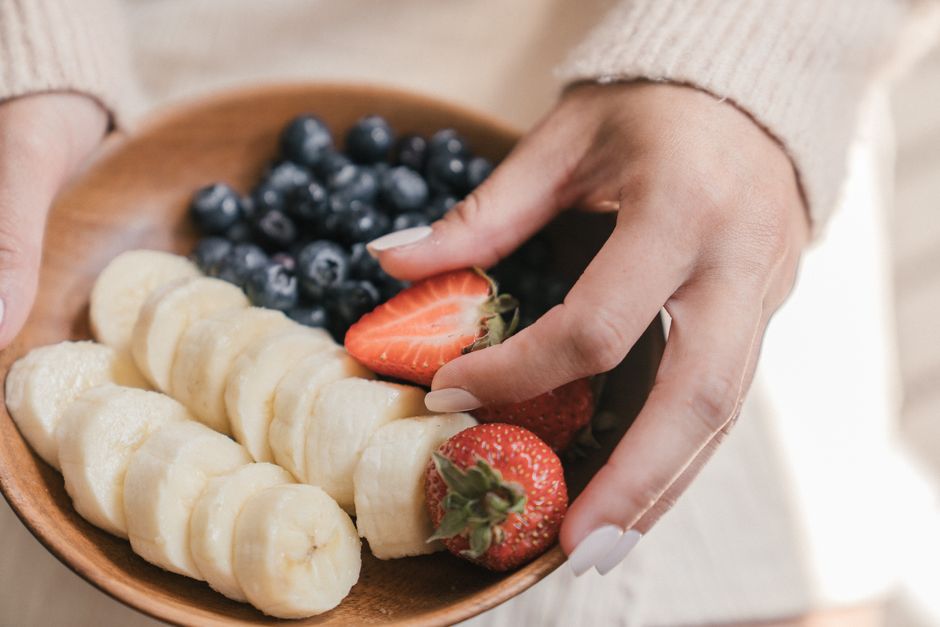
Did You Know Bananas Are Berries But Strawberries Are Not
By Trivia Daily, Staff Writer — Published July 20, 2026
Table of Contents
- Key Takeaways
- What Makes a True Berry: The Botanical Definition
- Why Strawberries Fail the Berry Test
- Surprising Foods That Actually Are Berries
- The Culinary Versus Botanical Divide
- Why Banana Classification Matters Beyond Trivia
- Frequently Asked Questions
When you bite into a strawberry, you're probably thinking you're enjoying a classic berry. Surprising as it sounds, botanists would disagree. That banana you had for breakfast? That's actually a berry. Meanwhile, the strawberry sitting in your fruit bowl isn't one at all. This botanical truth is one of those fascinating facts that flips everyday assumptions upside down and reveals how much we don't know about the foods we eat daily.
The confusion stems from how we use the word "berry" in everyday language versus how botanists define it scientifically. This interesting trivia reveals a hidden world of plant classification that most people never encounter, where raspberries aren't berries, blueberries are, and the whole system makes perfect sense once you understand the rules.
Key Takeaways
- Botanically, a berry must develop from a single flower with one ovary and have seeds embedded in the flesh.
- Bananas qualify as true berries because they grow from a single ovary and contain their seeds within the fleshy fruit.
- Strawberries are "aggregate accessory fruits" formed from a flower with multiple ovaries, disqualifying them as berries.
- Other surprising true berries include grapes, kiwis, tomatoes, eggplants, and even peppers.
- Raspberries and blackberries are also not berries but rather aggregate fruits composed of many tiny drupelets.
- The culinary use of "berry" differs completely from the botanical definition, causing widespread confusion.
What Makes a True Berry: The Botanical Definition
Botanists classify fruits based on how they develop from flowers, not how they taste or what we call them at the grocery store. A true berry must meet three specific criteria: it develops from a single flower with one ovary, has a soft exocarp (outer skin), a fleshy mesocarp (middle layer), and an endocarp (inner layer) that contains the seeds. The seeds must be embedded within the flesh itself.
This scientific definition explains why so many foods we consider berries don't qualify. The structure matters more than the name. When a flower blooms, its ovary contains ovules that will become seeds after fertilization. In true berries, that single ovary swells and ripens into the entire fruit, encasing all the seeds inside. Simple enough, right?
Bananas fit this definition perfectly. Each banana develops from a single flower with one ovary. Wild bananas contain large, hard seeds embedded in the flesh. The seedless bananas we eat today are cultivated varieties, but they still retain the botanical structure of a berry. The entire fruit comes from that one ovary, making it a textbook example of a true berry despite its unusual shape and size.
Why Strawberries Fail the Berry Test
Strawberries present a more complex case. What we think of as a strawberry is actually the swollen receptacle of the flower—the part that holds the flower's reproductive structures. The true fruits are those tiny yellow specks dotting the outside surface. Each speck is technically a separate fruit called an achene, and each developed from a separate ovary in the strawberry flower.
Because a strawberry flower has multiple ovaries rather than one, and because the edible part isn't the ovary tissue at all, strawberries don't qualify as berries. They're classified as aggregate accessory fruits. The word "aggregate" refers to the multiple fruits (those achenes) clustered together, while "accessory" indicates that the fleshy part we eat isn't derived from the ovary.
This same logic applies to raspberries and blackberries. Each tiny bubble on a raspberry is a separate drupelet with its own seed, formed from individual ovaries in a single flower. These are aggregate fruits, not berries, despite their names suggesting otherwise.
Surprising Foods That Actually Are Berries
Once you understand the botanical rules, a whole world of unexpected berries reveals itself. Grapes are straightforward true berries—each develops from a single ovary and contains seeds (or would, in wild varieties) within the pulp. Blueberries and cranberries also qualify, meeting all the criteria despite their small size.
Here's where things get really interesting. Tomatoes are berries. So are eggplants. Bell peppers and chili peppers? Also berries. Kiwis, despite their fuzzy exterior and tropical origins, are true berries by every botanical measure. Even watermelons and cucumbers technically qualify as a special type of berry called a pepo, characterized by a hard outer rind.
| Food | Botanical Classification | Reason |
|---|---|---|
| Banana | True Berry | Single ovary, seeds embedded in flesh |
| Strawberry | Aggregate Accessory Fruit | Multiple ovaries, fleshy part is receptacle |
| Grape | True Berry | Single ovary, seeds in pulp |
| Raspberry | Aggregate Fruit | Multiple drupelets from separate ovaries |
| Tomato | True Berry | Single ovary, seeds throughout flesh |
| Watermelon | Pepo (Berry Type) | Single ovary with hard rind |
The Culinary Versus Botanical Divide
The disconnect between botanical and culinary terminology didn't happen by accident. For thousands of years, humans classified foods by taste, texture, and use rather than reproductive biology. Sweet, small fruits became "berries" in common language. Savory fruits like tomatoes and peppers became "vegetables" in the kitchen, even though botanically they're fruits.
This practical classification system served cooks, farmers, and merchants perfectly well. Nobody needed to know about ovaries and flower structures to make jam or plant a garden. The scientific classification system emerged much later, as botanists sought to understand plant relationships and evolution. They needed precise definitions based on plant anatomy, not human preferences.
The confusion persists today because both systems remain in use. Grocery stores organize produce by culinary categories. Botanists and plant scientists use the technical definitions. Neither system is wrong—they simply serve different purposes. Understanding both helps explain why bananas are berries but strawberries aren't, at least in the botanical sense.
Why Banana Classification Matters Beyond Trivia
This botanical distinction isn't just amusing trivia. Understanding how fruits develop helps scientists breed better crops, predict plant behavior, and classify new species. The berry classification system reveals evolutionary relationships between plants that might otherwise seem unrelated. Bananas share more structural similarities with tomatoes and grapes than with strawberries, which tells us something about their evolutionary history.
Plant breeders use this knowledge when developing new varieties. Knowing that bananas are true berries helps explain their growth patterns, seed development, and ripening processes. The seedless bananas we enjoy today were created by understanding the plant's reproductive biology—knowledge rooted in proper botanical classification.
Frequently Asked Questions
Are blueberries actually berries?
Yes, blueberries are true berries botanically. They develop from a single ovary and contain multiple seeds embedded within the fleshy fruit, meeting all the criteria for botanical berry classification.
What should strawberries be called instead?
Botanically, strawberries are classified as aggregate accessory fruits. The tiny yellow specks on the surface are the actual fruits, while the sweet red part is the swollen flower receptacle.
Do modern bananas have seeds?
The bananas sold commercially are seedless varieties developed through selective breeding. Wild bananas contain large, hard seeds, but cultivated bananas have been bred to produce only tiny, infertile seed remnants—those small dark specks in the center.
Why do we call them strawberries if they're not berries?
The name "strawberry" predates modern botanical classification by centuries. The common names of foods reflect culinary tradition and folk taxonomy rather than scientific classification, which is why many "berries" aren't true berries botanically.
The next time you peel a banana or top your cereal with strawberries, you'll know the surprising botanical truth hiding in plain sight. These everyday foods carry secrets that reveal how much complexity exists in even the simplest breakfast, reminding us that the familiar world still holds plenty of unknown wonders waiting to be discovered.