










Bananas Are Berries But Strawberries Aren't: Here's Why
By Trivia Daily, Staff Writer — Published July 20, 2026
Table of Contents
- Key Takeaways
- What Makes Bananas Berries Strawberries Not: The Botanical Definition
- The Surprising Club of True Berries
- Why Raspberries and Blackberries Also Fail the Berry Test
- The History Behind Botanical Classification
- Why This Classification Matters (And Why It Doesn't)
- Frequently Asked Questions
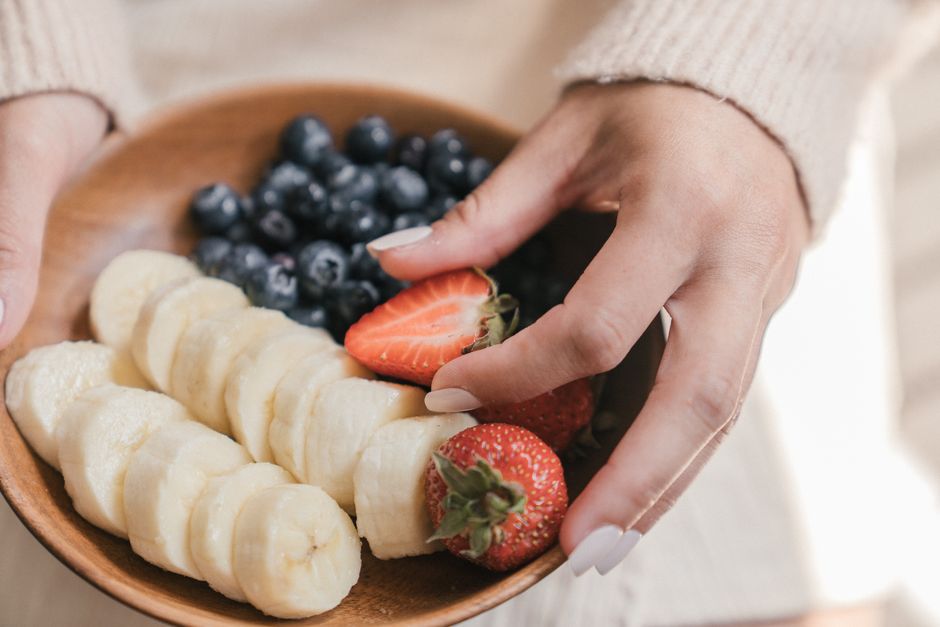
The fruit bowl on your kitchen counter is hiding a surprising botanical secret. That bright yellow banana you grabbed for breakfast? It's scientifically classified as a berry. Meanwhile, the juicy red strawberry sitting next to it—despite having "berry" right in its name—is not a berry at all. This curious fact about bananas berries strawberries reveals just how much everyday language differs from botanical science, and the real definitions might surprise you more than you'd expect.
Botanical classification follows strict scientific rules that often clash with common usage. When botanists use the word "berry," they're referring to a specific type of fruit structure—not just any small, colorful fruit we casually call a berry at the grocery store.
Key Takeaways
- True berries develop from a single flower with one ovary and have seeds embedded in the flesh, which bananas satisfy but strawberries don't.
- Strawberries are classified as "accessory fruits" because they form from the flower's receptacle rather than the ovary.
- Other surprising botanical berries include tomatoes, eggplants, kiwis, and grapes—all meeting the scientific definition.
- Raspberries and blackberries are "aggregate fruits," composed of many tiny drupelets clustered together.
- The botanical definition of berries dates back centuries but remains largely unknown outside scientific circles.
- This classification confusion highlights how vernacular names often diverge wildly from scientific taxonomy.
What Makes Bananas Berries Strawberries Not: The Botanical Definition
In botanical terms, a berry must meet three specific criteria. First, it develops from a single flower containing one ovary. Second, the ovary wall becomes the fleshy, edible portion of the fruit. Third, it contains seeds embedded within that flesh. Simple enough, right?
Bananas check every box. Each banana develops from a single flower with one ovary. The flesh you eat is the ovary wall. Those tiny black specks inside? Those are the seeds, though they're now sterile in the cultivated varieties we consume. Wild bananas actually have large, hard seeds that make them nearly inedible—something plant breeders worked for centuries to eliminate.
Strawberries, however, fail the test immediately. What we think of as a strawberry is actually the swollen receptacle of the flower—the base that holds the flower's parts together. The real fruits are those tiny yellow specks dotting the outside of a strawberry. Each one is technically a separate fruit called an achene, containing a single seed. So when you bite into a strawberry, you're eating dozens of individual fruits stuck to an enlarged stem.
The Surprising Club of True Berries
Once you understand the botanical definition, the berry club gets fascinating. Tomatoes qualify as berries. So do cucumbers, despite their savory role in salads. Eggplants are berries. Peppers—both sweet bell peppers and spicy chili peppers—are berries too.
Grapes make the list, which might feel more intuitive since we already think of them as small, fruity, and berry-like. Kiwis are berries, their fuzzy exterior hiding the classic berry structure inside. Even watermelons technically qualify as a special type of berry called a pepo, characterized by a hard rind developed from the ovary wall.
The Smithsonian Gardens and other botanical institutions maintain these classifications, which stem from careful observation of plant reproductive structures. These categories help botanists understand plant evolution and relationships, even when they confuse the rest of us.
| Common Name | Botanical Classification | Why It's Classified That Way |
|---|---|---|
| Banana | True Berry | Single ovary, seeds embedded in flesh |
| Strawberry | Accessory Fruit | Develops from receptacle, not ovary |
| Raspberry | Aggregate Fruit | Multiple ovaries form clustered drupelets |
| Tomato | True Berry | Single ovary with seeds in fleshy interior |
| Grape | True Berry | Meets all botanical berry criteria |
Why Raspberries and Blackberries Also Fail the Berry Test
Raspberries and blackberries face the same identity crisis as strawberries, though for different reasons. These fruits are classified as aggregate fruits. Each develops from a single flower, but that flower contains multiple ovaries rather than just one. Each tiny bubble on a raspberry or blackberry is called a drupelet—a miniature fruit with its own seed inside.
When these drupelets cluster together, they create what we recognize as a raspberry or blackberry. Pull one apart and you'll see how it separates into dozens of individual pieces. Each piece represents a separate ovary from the original flower. Since true berries must come from a single ovary, these multi-ovary fruits get disqualified.
The History Behind Botanical Classification
These scientific definitions emerged as botanists developed systematic ways to classify plants based on their reproductive structures rather than appearance or culinary use. Swedish botanist Carl Linnaeus laid the groundwork for modern plant taxonomy in the 18th century, creating a system that looked at how plants reproduced and how their flowers and fruits were structured.
This approach makes sense for scientists studying plant evolution and relationships. Plants with similar fruit structures often share evolutionary history, even when they look nothing alike to casual observers. The banana and tomato, despite their vast differences in taste, texture, and culinary application, share fundamental structural similarities in how their fruits develop.
Common names, by contrast, evolved organically through everyday language. People called small, sweet fruits "berries" without worrying about ovary structure. They named strawberries for the straw-like runners the plants send out, not their botanical classification. These vernacular names prioritize human experience over scientific precision—which works perfectly fine until you start digging into the actual botany.
Why This Classification Matters (And Why It Doesn't)
For botanists and horticulturists, precise classification is essential. Understanding fruit structure helps with plant breeding, agricultural development, and studying evolutionary relationships. Knowing that bananas are berries while strawberries aren't provides insight into how these plants reproduce and how they're related to other species.
For everyone else? It's mostly just interesting trivia. Your grocery store isn't going to reorganize the produce section based on botanical taxonomy. Cookbooks won't start listing recipes under "true berries" and "accessory fruits." The culinary world operates on taste, texture, and tradition—not ovary counts.
But these facts do reveal something valuable: how much our everyday language simplifies and categorizes the natural world in ways that work for daily life but don't always align with scientific reality. It's a reminder that nature is often more complex and surprising than our casual labels suggest.
Frequently Asked Questions
Are blueberries actually berries?
Yes, blueberries are true berries in both botanical and common usage. They develop from a single ovary and contain multiple seeds embedded in the fleshy interior, meeting all the scientific criteria for berry classification.
Why do bananas have no seeds?
Commercial bananas are sterile triploids, meaning they have three sets of chromosomes instead of the normal two. This genetic quirk prevents seed development, leaving only the tiny black specks that are actually immature, non-viable seeds.
What is the largest berry in the world?
The pumpkin holds this title, as it's technically a type of berry called a pepo. Some pumpkins grown for competition have exceeded 2,600 pounds, making them the largest berries by far.
Do avocados count as berries?
Botanically, yes—avocados are classified as single-seeded berries. The large pit is the seed, and the creamy flesh surrounding it develops from the ovary wall, fitting the berry definition despite being unlike any berry we'd typically name.
The next time you peel a banana or slice a strawberry, you'll know the hidden botanical truth behind these everyday fruits. Sometimes the most ordinary objects hold the most extraordinary surprises—you just have to know where to look, or in this case, how botanists decided to define their terms centuries ago.