

1 / 10 Questions
0 Points

What iconic board game features Park Place and Boardwalk?

Monopoly

The Game of Life

Clue

Risk

Points won
0
Correct score
0%

More Questions

More Articles

Did You Know These Common Myths Are Totally False?

Did You Know These Common Myths Are Totally False?

⏱️ 5 min read

Throughout history, certain "facts" have become so ingrained in our collective consciousness that we rarely stop to question their validity. From childhood lessons to workplace wisdom, many beliefs we hold as truth are actually misconceptions that have been passed down through generations. Understanding which commonly accepted ideas are false not only enriches our knowledge but also helps us make better decisions and avoid spreading misinformation.

The Great Wall of China Visibility Myth

One of the most persistent myths is that the Great Wall of China is visible from space with the naked eye. This claim has been repeated in textbooks, tour guides, and casual conversations for decades. However, astronauts have consistently debunked this notion. The Great Wall, while impressively long, is relatively narrow—typically about 20 feet wide—making it nearly impossible to distinguish from orbit without telescopic assistance. Astronauts report that highways, airports, and cities are much more visible than the ancient structure. Even Chinese astronaut Yang Liwei confirmed he could not see the Great Wall during his space mission, finally putting this myth to rest from an authoritative source.

Lightning Never Strikes the Same Place Twice

This saying is often used metaphorically to suggest that rare events won't repeat themselves, but it's completely false from a scientific standpoint. Lightning frequently strikes the same location multiple times, especially tall structures and high points. The Empire State Building in New York City is struck by lightning approximately 25 times per year. Lightning follows the path of least resistance to the ground, which means that tall, pointed, or isolated objects that provided a good path once will likely do so again. This myth is particularly dangerous because it might lead people to believe they're safe in a location that has already been struck during a storm.

Misconceptions About Human Biology

We Only Use 10% of Our Brains

This myth has been perpetuated by self-help books, movies, and motivational speakers for years, but neurological science proves it entirely false. Brain imaging studies show that we use virtually all parts of our brain, and most of the brain is active most of the time. Different regions handle different functions, and while we may not use all regions simultaneously, we certainly use more than 10% throughout the day. Even during sleep, brain activity remains significant. This myth likely originated from misunderstandings of early neurological research and has been misquoted ever since.

Shaving Makes Hair Grow Back Thicker

Many people avoid shaving certain areas because they believe it will cause hair to grow back darker and coarser. This is a complete misconception based on perception rather than reality. When hair grows naturally, it tapers to a fine point. Shaving cuts the hair bluntly at its thickest part, so when it grows back, the blunt tip may feel coarser and appear darker initially. However, the actual thickness, color, and growth rate of hair are determined by genetics and hormones, not by shaving. Dermatologists have repeatedly confirmed that shaving has no effect on hair follicles beneath the skin's surface.

Historical Myths That Refuse to Die

Vikings Wore Horned Helmets

Popular culture has firmly established the image of Vikings wearing horned helmets, but there's no historical evidence supporting this depiction. Archaeological excavations of Viking sites have never uncovered horned helmets from that era. Historians believe this myth originated in the 19th century through romanticized artwork and opera productions, particularly Wagner's Ring Cycle. Vikings were practical warriors who would have found horned helmets impractical in combat, as they could easily be grabbed by opponents or knocked off. The real Viking helmets were simple, rounded iron caps designed for protection and mobility.

Napoleon Bonaparte Was Extremely Short

Napoleon's supposed short stature has made "Napoleon complex" a common term for short men with aggressive personalities. However, Napoleon was actually average height for his time, standing at approximately 5 feet 7 inches. The confusion arose from differences between French and British measurement systems and from British propaganda that mocked the French emperor by depicting him as diminutive. His nickname "le Petit Caporal" (the Little Corporal) was actually a term of endearment from his soldiers and referred to his military rank early in his career, not his physical stature.

Food and Health Misconceptions

Sugar Makes Children Hyperactive

Parents often blame birthday party mayhem on sugar consumption, but controlled studies have found no direct link between sugar intake and hyperactivity in children. Multiple double-blind studies, where neither parents nor children knew who received sugar or placebo, showed no difference in behavior. The hyperactivity often observed at parties is more likely due to excitement, lack of routine, overstimulation from games and entertainment, and social dynamics rather than the cake and candy consumed.

Cracking Knuckles Causes Arthritis

Despite warnings from concerned parents and grandparents, scientific research has found no connection between knuckle cracking and arthritis. The popping sound comes from gas bubbles bursting in the synovial fluid that lubricates joints. While habitual knuckle cracking might eventually lead to reduced grip strength or minor swelling, it does not cause arthritis. One dedicated researcher even cracked the knuckles on one hand for over 60 years while leaving the other hand alone, finding no difference in arthritis development between the two hands.

Why These Myths Persist

Understanding why false beliefs continue despite contrary evidence is important for combating misinformation. These myths often persist because they're simple, memorable, and get repeated by authority figures like parents and teachers. They also tend to confirm existing biases or seem logical on the surface. Additionally, correcting misconceptions requires effort and critical thinking, while accepting commonly repeated "facts" is easy and socially comfortable.

By questioning commonly held beliefs and seeking evidence-based information, we can separate fact from fiction and make more informed decisions in our daily lives. The next time you hear one of these myths repeated, you'll have the knowledge to politely correct the record and help prevent the continued spread of misinformation.
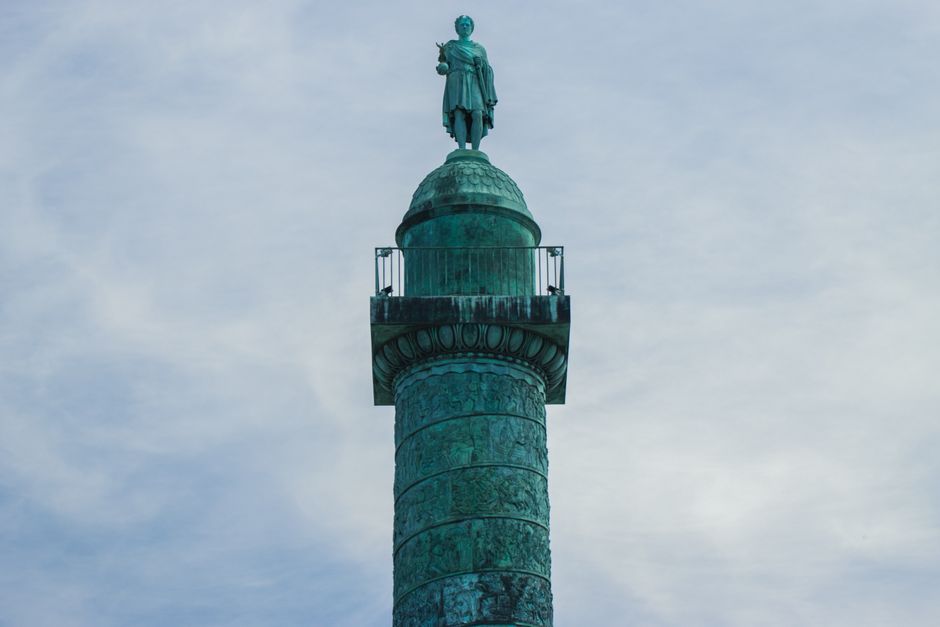
The Truth About Napoleon’s Height: Was He Really Short

The Truth About Napoleon’s Height: Was He Really Short

The Truth About Napoleon's Height: Was He Really Short

By Trivia Daily, Staff Writer — Published September 5, 2026

Table of Contents

For more than two centuries, Napoleon Bonaparte has been remembered as a tiny tyrant, a military genius whose ambitions supposedly compensated for his diminutive stature. Cartoons, jokes, and even a psychological term—the "Napoleon complex"—have cemented this image in popular culture. But here's the surprising truth: Napoleon wasn't actually short for his time. This fascinating piece of trivia reveals how propaganda, measurement confusion, and cultural differences created one of history's most enduring myths.

The real facts about Napoleon's height paint a completely different picture than the one most people carry in their minds. When you discover the actual measurements and context, the entire narrative shifts from comedy to curiosity.

Key Takeaways

  • Napoleon measured approximately 5 feet 7 inches (170 cm) in modern measurements, which was average or slightly above average for French men of his era.
  • The confusion arose primarily from differences between French and British measurement systems, where French inches were longer than British inches.
  • British propaganda cartoons deliberately portrayed Napoleon as tiny to mock and diminish his image during the Napoleonic Wars.
  • Napoleon's Imperial Guard consisted of exceptionally tall soldiers, making him appear shorter by comparison in official settings.
  • The myth persisted so strongly that it influenced psychology, spawning the term "Napoleon complex" despite being based on false premises.
  • Contemporary accounts from people who met Napoleon rarely mentioned his height as being notably short.

The Truth About Napoleon's Height: Measuring the Reality

When Napoleon died in 1821, his height was recorded as 5 feet 2 inches. That measurement, however, used French units. French inches (pouces) were longer than British imperial inches—about 2.7 centimeters compared to 2.54 centimeters. Converting Napoleon's recorded height to British imperial measurements yields approximately 5 feet 7 inches, or about 170 centimeters.

What did this mean for his time? Average male height in France during the late 18th and early 19th centuries hovered around 5 feet 5 inches to 5 feet 6 inches in modern measurements. Napoleon stood at or slightly above the average. He certainly wasn't the towering figure some military leaders presented, but he was decidedly not the short man of legend.

The confusion between measurement systems created the perfect storm for misunderstanding. British newspapers and publications reported his height in French units without conversion, leading English-speaking audiences to believe Napoleon stood barely over five feet tall. This mathematical error became historical "fact" through repetition.

British Propaganda and the Power of Political Cartoons

England and France were bitter enemies during the Napoleonic Wars, and British satirists seized every opportunity to diminish their opponent. The renowned caricaturist James Gillray produced numerous prints depicting Napoleon as a tiny, rage-filled figure—sometimes shown as barely reaching the waist of his wife Josephine or throwing childish tantrums.

These cartoons served a strategic purpose beyond mere entertainment. By portraying Napoleon as physically small, British propagandists suggested he was also small in character, ambition legitimately proportioned to his frame. The images spread widely and proved remarkably effective. Even after Napoleon's defeat and death, the visual legacy persisted.

Political cartoons shaped public perception with lasting consequences. The artistic choice to shrink Napoleon became accepted as documentary truth rather than satirical exaggeration.

The Imperial Guard Effect

Napoleon surrounded himself with the Imperial Guard, an elite military unit with strict height requirements. These soldiers stood well over six feet tall, selected specifically for their imposing physical presence. When Napoleon appeared alongside his guards at ceremonies, parades, and battles, the height differential was dramatic.

Observers witnessing Napoleon among these giants naturally perceived him as short. Paintings and engravings captured these scenes, reinforcing the visual impression. The contrast was deliberate—Napoleon wanted his personal guard to project power and intimidation. He succeeded, but at the cost of his own perceived stature.

This optical illusion fooled contemporaries and historians alike. Without understanding the selection criteria for the Imperial Guard, viewers simply saw a commander dwarfed by his own troops.

Comparing Napoleon to His Contemporaries

Historical Figure Height (Modern Measurement) Context
Napoleon Bonaparte 5'7" (170 cm) Average to above average for his era
Duke of Wellington 5'9" (175 cm) Napoleon's opponent at Waterloo
King George III 6'0" (183 cm) British monarch during Napoleonic Wars
Admiral Nelson 5'4" (163 cm) Shorter than Napoleon, yet rarely mocked for height
Thomas Jefferson 6'2" (189 cm) Contemporary American president

Why the Myth Endures

The Napoleon height myth demonstrates how powerfully first impressions and repeated narratives shape historical memory. Several factors explain its persistence:

  • British propaganda reached vast audiences and established the visual template before accurate information could counter it.
  • The story fits a compelling psychological narrative about compensation and ambition, making it memorable and shareable.
  • The measurement confusion wasn't widely understood until historians examined primary sources more carefully in recent decades.
  • Popular culture continues to reference "short Napoleon" in jokes, films, and casual conversation, perpetuating the myth through repetition.
  • The term "Napoleon complex" entered psychology and popular speech, lending scientific-sounding credibility to the misconception.

Myths often survive because they're more interesting than reality. A short man conquering Europe makes for better storytelling than an average-height military genius doing the same. The narrative arc feels more dramatic, the ambition more explicable, the downfall more poetic.

What Contemporary Accounts Actually Said

People who actually met Napoleon rarely commented on his height as being notably short. Visitors to his court, diplomatic envoys, and military officers described his piercing gaze, his commanding presence, and his intensity—but not his lack of stature. Some noted he was "of middling height" or "not tall," descriptions that suggest average rather than remarkably short.

The autopsy report following his death provided detailed physical measurements that, when properly converted, confirm the average height assessment. Medical examiners had no reason to falsify such data, particularly after Napoleon's death ended any political considerations.

These firsthand accounts offer the clearest window into reality, yet they've been overshadowed by more sensational fictional portrayals.

Frequently Asked Questions

How tall was Napoleon compared to the average man today?

At approximately 5 feet 7 inches, Napoleon would be shorter than the average man in many developed countries today, where average male height ranges from 5 feet 9 inches to 5 feet 11 inches. However, average heights have increased significantly due to improved nutrition and healthcare over the past two centuries.

Did Napoleon's height affect his military career?

There's no historical evidence that Napoleon's height hindered his military career. He rose through ranks based on tactical brilliance, strategic innovation, and political acumen. His soldiers and officers followed him because of his leadership abilities, not his physical stature.

What is the Napoleon complex?

The Napoleon complex, also called "short man syndrome," refers to a supposed psychological condition where shorter men overcompensate for their height through aggressive or domineering behavior. Ironically, the term is based on the false premise that Napoleon was unusually short and compensated through military conquest.

Were other historical leaders also misrepresented in height?

Yes, physical descriptions of historical figures were often exaggerated for political purposes. Enemies were portrayed as weak or deformed, while allies were depicted as strong and handsome. Height became a convenient metaphor for power and legitimacy in visual propaganda across many cultures and eras.

The next time someone mentions Napoleon's height as historical fact, you'll know the surprising truth behind the myth. This enduring misconception reminds us that even widely accepted "facts" deserve scrutiny, and that propaganda can outlive the conflicts that created it by centuries. Sometimes the most interesting trivia isn't what happened, but what everyone wrongly believes happened—and why.