
Why Do Humans Hiccup and How Does Your Body Stop Them
By Trivia Daily, Health & Body Desk — Published July 20, 2026
Table of Contents
- Key Takeaways
- The Anatomy Behind Why Humans Hiccup and How the Body Coordinates This Reflex
- What Triggers Hiccups in the Human Body
- How Your Body Naturally Stops Hiccups
- Why Home Remedies Actually Work
- When Hiccups Become a Medical Concern
- Frequently Asked Questions
Almost everyone has experienced the sudden, involuntary jolt of a hiccup. That distinctive “hic” sound happens when your diaphragm—the dome-shaped muscle separating your chest from your abdomen—contracts unexpectedly, causing your vocal cords to snap shut. Scientists have studied why humans hiccup and how the body eventually stops them, revealing a fascinating glimpse into our anatomy and evolutionary past. While hiccups can be annoying, they’re usually harmless and offer clues about how our nervous system manages the complex act of breathing.
The mechanics behind hiccups involve a delicate coordination between your brain, nerves, and respiratory organs. Understanding this reflex helps explain not only why we get them but also why they sometimes persist and how various remedies actually work.
Key Takeaways
- Hiccups occur when the diaphragm muscle contracts involuntarily, causing a sudden intake of breath that’s cut off by closing vocal cords.
- The reflex is controlled by a hiccup center in the brainstem, which coordinates signals between the brain, phrenic nerves, and respiratory organs.
- Common triggers include eating too quickly, carbonated beverages, sudden temperature changes, and emotional excitement or stress.
- Most hiccup episodes resolve naturally within minutes as the nervous system resets, though some cases can persist for hours or even longer.
- Home remedies like holding your breath or drinking water work by disrupting the reflex arc and resetting the diaphragm’s rhythm.
- Persistent hiccups lasting more than 48 hours may signal underlying health issues requiring medical attention.
The Anatomy Behind Why Humans Hiccup and How the Body Coordinates This Reflex
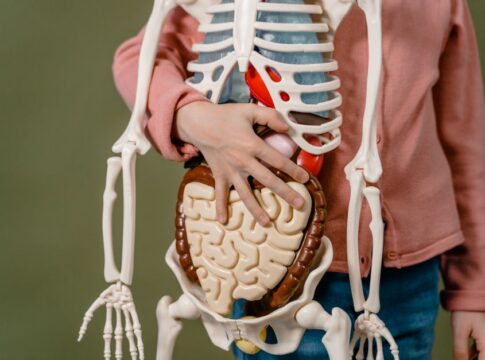
The diaphragm sits at the base of your ribcage, contracting and relaxing rhythmically to draw air into your lungs. When this muscle suddenly spasms—contracting when it shouldn’t—you inhale sharply. About 35 milliseconds after this contraction begins, your glottis (the space between your vocal cords) slams shut. This rapid closure produces the characteristic “hic” sound.
The phrenic nerves, which originate in your neck and travel down to the diaphragm, carry the signals that trigger these spasms. Your brain’s hiccup center, located in the medulla oblongata of the brainstem, coordinates the entire sequence. This same region controls other vital functions like breathing, heart rate, and swallowing. The vagus nerve, which runs from your brain through your chest and abdomen, also plays a role. Irritation of either the phrenic or vagus nerve can set off a hiccup episode.
Interestingly, the reflex involves both voluntary and involuntary muscles. While you can’t consciously prevent a hiccup once the signal has been sent, you can influence the conditions that trigger them. The complex coordination required suggests hiccups aren’t simply random misfires but rather a vestigial reflex that may have served a purpose earlier in human evolution or development.
What Triggers Hiccups in the Human Body
Certain behaviors and conditions make hiccups more likely by irritating the nerves or organs involved in the reflex. Eating too quickly or consuming large meals distends your stomach, which can press against the diaphragm. Carbonated drinks introduce gas that expands the stomach and may irritate the diaphragm or vagus nerve. Sudden temperature changes—drinking a cold beverage followed by hot soup, for example—can shock the system.
Emotional states also play a role. Excitement, stress, and anxiety alter breathing patterns, potentially disrupting the diaphragm’s normal rhythm. Alcohol consumption, particularly drinking quickly, irritates the stomach lining and affects nerve signaling. Some medications and medical procedures can trigger hiccups as well.
In newborns and infants, hiccups are remarkably common. Babies spend up to 2.5% of their time hiccuping, often after feeding. Some researchers propose that fetal hiccups—which begin around nine weeks of gestation—may help develop the respiratory muscles or remove air from the stomach. This developmental perspective suggests hiccups might be more purposeful than they appear in adults.
How Your Body Naturally Stops Hiccups
Most hiccup episodes resolve on their own within a few minutes. Your nervous system eventually resets the diaphragm’s rhythm, restoring normal breathing patterns. The brainstem’s hiccup center stops sending the errant signals, and the spasms cease. This self-correction happens without conscious effort in the vast majority of cases.
The body appears to have built-in mechanisms for dampening the reflex. Carbon dioxide levels in your blood gradually rise during hiccups because the interrupted breathing pattern affects gas exchange in your lungs. This increase in carbon dioxide may help reset the respiratory control centers in your brain. The accumulation of sensory feedback from repeated contractions might also trigger the brain to suppress the reflex.
When hiccups persist beyond the typical few minutes, your body may need external help to break the cycle. This is where deliberate interventions—what we call home remedies—come into play. These techniques work by either altering carbon dioxide levels, stimulating specific nerves, or disrupting the reflex arc in some other way.
Why Home Remedies Actually Work
Many traditional hiccup cures have physiological explanations rooted in anatomy and biology. Holding your breath increases carbon dioxide in your bloodstream, which can help reset your breathing center. Breathing into a paper bag has a similar effect, though this method should be used cautiously to avoid oxygen deprivation.
Drinking water, especially in specific ways, stimulates the vagus nerve and can interrupt the hiccup reflex. Sipping cold water slowly, drinking from the far side of a glass (which requires bending over), or swallowing while holding your breath all create unusual patterns that may reset the system. The Valsalva maneuver—bearing down as if having a bowel movement—increases pressure in your chest and stimulates vagus nerve receptors.
Sudden sensory shocks can also work. A spoonful of sugar, a taste of vinegar, or even a sudden fright may overwhelm the nervous system with new signals, essentially rebooting the hiccup center. Pulling your knees to your chest compresses the diaphragm and may physically interrupt its spasms. While not every remedy works for every person, their effectiveness isn’t just folklore—these techniques genuinely influence the cells, nerves, and organs involved in the reflex.
When Hiccups Become a Medical Concern
Hiccups lasting longer than 48 hours are classified as persistent, while those continuing beyond a month are considered intractable. These prolonged episodes can interfere with eating, sleeping, and overall health. They may indicate underlying conditions affecting the nervous system, metabolism, or organs in the chest or abdomen.
Possible causes of persistent hiccups include gastroesophageal reflux disease, which irritates the vagus nerve; central nervous system disorders affecting the brainstem; metabolic imbalances involving electrolytes; and certain tumors or lesions that press on relevant nerves. Medical evaluation becomes important when hiccups persist, as treatment depends on identifying and addressing the underlying cause.
Healthcare providers may prescribe medications that affect neurotransmitters or muscle relaxants that calm the diaphragm. In rare, severe cases, procedures targeting the phrenic nerve may be considered. The existence of these medical interventions underscores that while hiccups are usually benign, they can occasionally signal something more serious requiring professional attention.
Frequently Asked Questions
Can you die from hiccups?
Death directly from hiccups is extremely rare, but prolonged episodes can lead to serious complications like exhaustion, weight loss from inability to eat properly, and depression. The longest recorded case of hiccups lasted 68 years.
Why do hiccups sometimes hurt?
The repeated, forceful contractions of the diaphragm can strain the muscle and surrounding tissues, causing soreness. Prolonged episodes may also create chest or abdominal discomfort from the constant spasms.
Do animals get hiccups?
Many mammals experience hiccups, particularly as infants. The reflex appears most common in animals with a diaphragm, suggesting it may be linked to mammalian breathing anatomy and possibly to evolutionary development of air-breathing.
Why do some people hiccup more than others?
Individual variations in nerve sensitivity, eating habits, stress levels, and anatomy can make some people more prone to hiccups. Certain health conditions and medications also increase susceptibility to the reflex.
The next time a hiccup catches you off guard, remember you’re experiencing a reflex that connects you to your evolutionary past and reveals the intricate dance between your brain and body. This seemingly simple spasm involves precise coordination across multiple biological systems—a reminder that even our most mundane experiences reflect the remarkable complexity of human anatomy.