










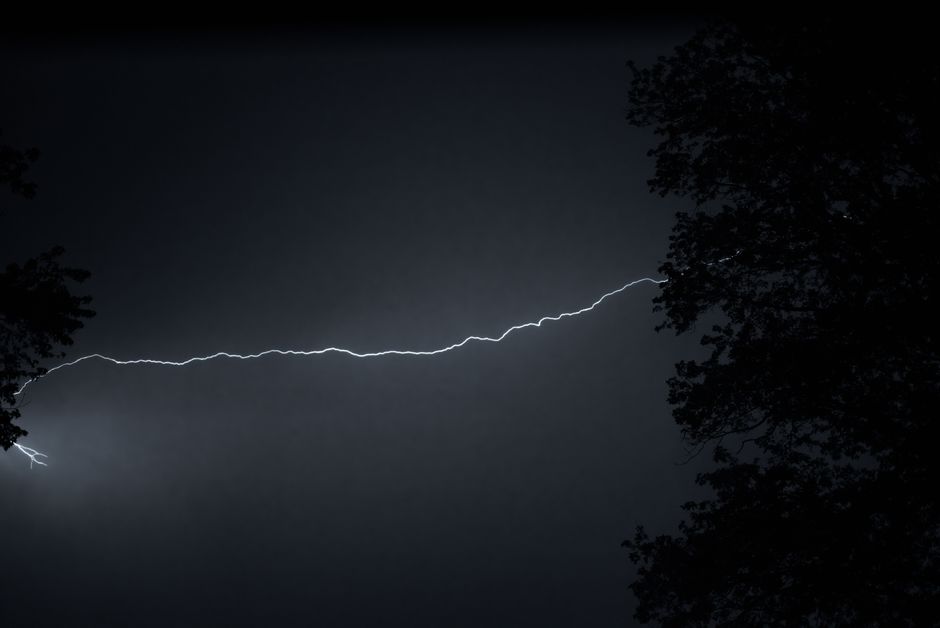
Why Lightning Strikes the Same Place More Than Once
By Trivia Daily, Nature Desk — Published July 20, 2026
Table of Contents
- Key Takeaways
- How Lightning Chooses Its Target
- Famous Repeat Strike Locations
- Lightning's Impact on Natural Ecosystems
- Why Lightning Rods Work
- Comparing Lightning Strike Frequencies
- Frequently Asked Questions
The old saying "lightning never strikes the same place twice" is one of nature's most enduring myths—and it's spectacularly wrong. In reality, lightning strikes the same place repeatedly, especially if that place happens to be tall, isolated, or made of conductive material. The Empire State Building, for instance, gets hit by lightning around 20 to 25 times every year. Understanding why lightning strikes place after place reveals fascinating truths about weather, electricity in our atmosphere, and how the natural environment channels energy through the earth and sky.
Lightning doesn't care about fairness or variety. It follows the path of least resistance between charged clouds and the ground below, which means the same physical features that attracted the first bolt—height, conductivity, isolation—will attract the next one too. This predictable behavior has shaped ecosystems, influenced the evolution of plants, and taught humanity crucial lessons about protecting structures in storm-prone climates.
Key Takeaways
- Lightning frequently strikes the same location multiple times because it follows the path of least resistance, favoring tall, isolated, or conductive objects.
- The Empire State Building is struck by lightning approximately 20 to 25 times annually, making it one of the most frequently struck structures on Earth.
- Trees, especially tall species in open terrain, are common repeat targets—lightning scars on ancient trees can reveal centuries of storm patterns.
- Lightning rods work precisely because lightning does strike the same place repeatedly; they provide a safe, predictable path to ground.
- Natural features like mountain peaks, lone trees, and prominent rock formations experience repeated strikes that can alter soil chemistry and affect local plant communities.
- Understanding lightning behavior helps meteorologists predict storm patterns and informs safety protocols in outdoor environments.
How Lightning Chooses Its Target
Lightning forms when ice particles collide within storm clouds, creating electrical charges. The bottom of a thundercloud typically carries a negative charge, while the ground below develops a positive charge. When the electrical difference becomes strong enough, lightning bridges the gap. But here's the critical part: the discharge seeks the easiest route.
Tall objects reduce the distance electricity must travel through air, which is actually a poor conductor. A 100-foot tree in an open field effectively extends the ground upward, creating a shorter, more attractive path for the electrical current. Once lightning has "found" this efficient route, the physical features don't change. The tree remains tall. The building stays conductive. The mountain peak keeps jutting into storm clouds. Each subsequent storm recreates similar electrical conditions, and lightning takes the same shortcut again and again.
The environment around these strike-prone locations matters too. Wet soil conducts electricity better than dry sand. Metal-rich rock formations can channel charges more efficiently than limestone. Even the moisture content of living trees varies by species, making some natural targets more attractive than others during storms.
Famous Repeat Strike Locations
Certain places on Earth have become legendary for their frequent lightning encounters. The Empire State Building's status as a lightning magnet is well-documented—its height and metal frame make it an ideal target in Manhattan's relatively flat skyline. Engineers have used this predictability to study lightning behavior for decades, installing specialized equipment to measure voltage, current, and strike patterns.
Mountain peaks worldwide experience countless strikes. Tall trees in exposed locations often bear multiple scars from repeated hits. Ancient oaks and pines sometimes display spiral patterns of dead bark where lightning has traveled down the trunk dozens of times over centuries. These trees become living records of local weather patterns, their survival depending on how well their roots can ground the enormous electrical currents.
Lake Maracaibo in Venezuela experiences what meteorologists call the "Catatumbo lightning" phenomenon—nearly continuous lightning storms that strike the same region for up to 10 hours per night during peak season. The unique climate conditions there create a natural laboratory for studying how lightning interacts with water, land, and vegetation in predictable cycles.
Lightning's Impact on Natural Ecosystems
Repeated lightning strikes shape the natural world in subtle but significant ways. When lightning hits soil, it can create fulgurites—glassy tubes formed when sand or rock melts and fuses from the intense heat, which can exceed 30,000 degrees Fahrenheit. These natural formations mark strike locations and alter local soil chemistry, affecting which plants can thrive nearby.
Lightning-caused fires have been part of Earth's ecosystems for millions of years. Some plant species, particularly in fire-adapted forests and grasslands, have evolved to depend on periodic burns that lightning initiates. Certain pine cones only release seeds after exposure to fire. Prairie ecosystems rely on lightning-sparked burns to clear dead vegetation and return nutrients to soil. The same ridgelines and isolated trees get struck repeatedly, creating predictable fire patterns that native plants and animals have adapted to over countless generations.
Lightning also fixes nitrogen in the atmosphere, converting it into compounds that rain carries to the ground. Areas with frequent strikes receive natural fertilization that affects plant growth and soil composition. Over time, this creates subtle variations in vegetation patterns, with lightning-prone zones sometimes supporting denser or different plant communities than surrounding areas.
Why Lightning Rods Work
Benjamin Franklin's invention of the lightning rod in the 1750s relied on understanding that lightning will strike the same place repeatedly if that place offers the best path to ground. A lightning rod doesn't repel strikes—it attracts them deliberately, providing a safe, controlled route for electrical discharge that protects the building below.
Modern lightning protection systems extend this principle. Tall structures have multiple rods connected to heavy cables that run to ground rods buried deep in the earth. When lightning strikes, the system channels millions of volts harmlessly into the ground. Without this protection, the same buildings would still get struck repeatedly—the electricity would simply take destructive paths through plumbing, wiring, and structural materials instead.
The effectiveness of lightning rods proves the myth wrong every day. If lightning truly never struck the same place twice, protection systems would be unnecessary after the first hit. Instead, engineers design them knowing that exposed structures will face hundreds or thousands of strikes over their lifetime.
Comparing Lightning Strike Frequencies
| Location Type | Approximate Annual Strikes | Key Factors |
|---|---|---|
| Empire State Building | 20-25 | Height, urban location, metal structure |
| Mountain peaks (exposed) | Varies, often 10+ | Elevation, isolation, rock conductivity |
| Tall trees (open terrain) | 1-5 | Height, moisture content, soil conditions |
| Communication towers | 10-100+ | Extreme height, metal construction, rural placement |
| Average flat ground | Rare | No attractive features, diffuse charge distribution |
Frequently Asked Questions
Can lightning strike the same person twice?
Yes, and it has happened multiple times throughout history. Roy Sullivan, a U.S. park ranger, was struck by lightning seven times during his career. People in exposed occupations or locations face higher risk of repeated strikes.
Does rubber protect you from lightning?
Not really. While rubber is an insulator, lightning carries so much voltage that it can jump across or through most materials. Car tires don't protect you—the metal frame that conducts electricity around you and into the ground does.
Why do some trees survive multiple lightning strikes?
Trees with deep, extensive root systems and high moisture content in their outer bark can conduct electricity to ground without fatal damage. The lightning often travels down the outside of the trunk rather than through vital inner tissues, allowing the tree to survive and heal.
Is it safe to stand near a tree during a thunderstorm?
No, it's extremely dangerous. Tall, isolated trees are prime lightning targets, and electricity can jump from a struck tree to nearby people. Lightning can also travel through wet ground, endangering anyone within several feet of the strike point.
The next time storm clouds gather and lightning begins to flash, remember that nature follows physics, not folklore. Those same tall peaks, isolated trees, and prominent buildings will keep drawing strikes as long as thunderstorms roll through. Rather than randomness, there's an elegant logic to how electrical energy finds its way from sky to earth—a reminder that even in nature's most dramatic displays, predictable patterns shape our world.