
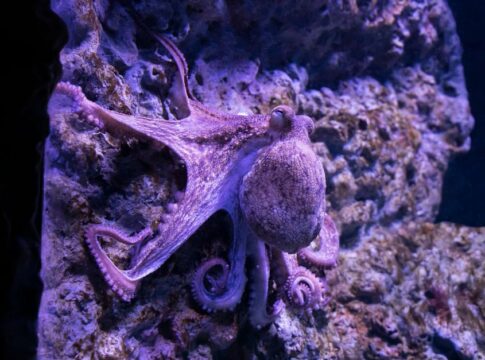
7 Bizarre Facts About How Octopus Blood Works
By Trivia Daily, Science Desk — Published October 29, 2026
Table of Contents
- Key Takeaways
- The Science Behind Bizarre Octopus Blood Chemistry
- The Three-Heart Cardiovascular System
- Why Copper Instead of Iron?
- Vulnerability to Environmental Changes
- Frequently Asked Questions
Most creatures on Earth pump red blood through their veins, powered by iron-based hemoglobin. Octopuses took a different evolutionary path. Their blood runs blue, circulates through three hearts, and contains a copper-based molecule that would make human biology textbooks blush. The bizarre octopus blood system represents one of nature’s most successful experiments in alternative biochemistry, proving that when it comes to survival, there’s more than one way to deliver oxygen.
These eight-armed mollusks have evolved circulatory systems so unusual that marine biology researchers continue to make new discoveries about how their bodies function. From color-changing blood chemistry to hearts that stop beating during swimming, the octopus challenges everything we think we know about cardiovascular systems.
Key Takeaways
- Octopus blood is blue because it uses copper-based hemocyanin instead of iron-based hemoglobin to transport oxygen.
- Three hearts work in tandem—two pump blood to the gills while one circulates it through the body.
- The systemic heart stops beating when an octopus swims, which is why they prefer crawling to save energy.
- Hemocyanin works less efficiently than hemoglobin, making octopuses vulnerable to oxygen-depleted waters.
- Cold water temperatures actually improve oxygen transport efficiency in octopus blood.
- The copper in their blood may contribute to octopuses’ remarkable intelligence and problem-solving abilities.
The Science Behind Bizarre Octopus Blood Chemistry
Understanding why octopus blood differs so dramatically from mammalian blood requires a quick chemistry lesson. Hemoglobin, the oxygen-carrying protein in human blood, binds oxygen using iron atoms tucked inside a ring-shaped molecule. When oxygen attaches, the iron gives blood its familiar red color. Octopuses and other cephalopods evolved hemocyanin instead—a copper-based protein that floats freely in the blood plasma rather than being packed into cells.
When hemocyanin binds oxygen, copper atoms oxidize and turn the blood a striking blue-green color. This isn’t just a cosmetic difference. The chemistry fundamentally changes how efficiently oxygen moves through the body. Hemocyanin performs better in cold, high-oxygen environments but struggles in warm or low-oxygen conditions. This biological trade-off explains why octopuses thrive in cold ocean waters but rarely venture into tropical shallows where oxygen levels drop.
The Three-Heart Cardiovascular System
1. Two Branchial Hearts Oxygenate Blood at the Gills
An octopus doesn’t rely on a single heart like mammals do. Two specialized branchial hearts sit near the gills, one on each side of the body. These hearts have one job: pump deoxygenated blood through the gill tissue where it picks up fresh oxygen from seawater. The branchial hearts work under intense pressure, literally forcing blood through the delicate gill capillaries. Think of them as booster pumps in a complex plumbing system, ensuring blood flows efficiently through the respiratory exchange surfaces.
2. The Systemic Heart Distributes Oxygenated Blood
After the branchial hearts do their work, freshly oxygenated blue blood travels to the systemic heart. This larger, central heart pumps the oxygen-rich blood throughout the octopus’s body—to the brain, arms, suckers, and organs. The systemic heart maintains the pressure needed to push blood through the entire circulatory network. But here’s where octopus biology gets truly strange: this crucial heart completely stops beating when the animal swims.
3. Swimming Stops the Systemic Heart
When an octopus jets through water by expelling water from its mantle, the systemic heart literally stops pumping. The physical mechanics of jet propulsion compress the heart and interrupt its rhythm. This discovery by marine biologists explains a puzzling octopus behavior—they prefer crawling along the seafloor to swimming whenever possible. Swimming exhausts them quickly because their body stops receiving fresh oxygenated blood during locomotion. It’s the equivalent of holding your breath while running a sprint. Energy conservation matters in the deep ocean, so octopuses save swimming for emergencies like escaping predators.
Why Copper Instead of Iron?
4. Hemocyanin Evolved for Cold Ocean Environments
The evolutionary pressure that led octopuses to develop copper-based blood remains a subject of ongoing research in marine biology. Scientists theorize that hemocyanin offers specific advantages in cold, oxygen-rich seawater. Unlike hemoglobin, hemocyanin actually transports oxygen more efficiently as temperatures drop. This makes perfect sense for animals that evolved in the cold depths of ancient oceans. The chemistry of copper binding creates a system optimized for exactly the environment where octopuses live.
However, this specialization comes with drawbacks. Hemocyanin carries oxygen less efficiently than hemoglobin at higher temperatures. It also requires more copper than the body needs iron for hemoglobin, making the metabolic cost higher. Yet for octopuses living in their preferred cold-water habitats, the trade-off works beautifully.
5. Blue Blood May Enable Superior Intelligence
Octopuses rank among the most intelligent invertebrates on Earth, capable of solving puzzles, using tools, and even displaying what appears to be playful behavior. Some researchers propose a connection between their unusual circulatory system and their cognitive abilities. The copper-based blood may deliver oxygen to neural tissue in ways that support the octopus’s distributed nervous system—two-thirds of their neurons actually reside in their arms rather than their brain. While this remains an active area of scientific investigation, the correlation between unique blood chemistry and exceptional intelligence raises fascinating questions about how different biological systems support consciousness.
Vulnerability to Environmental Changes
6. Climate Change Threatens Oxygen-Dependent Blood
The efficiency limitations of hemocyanin create a serious vulnerability as ocean temperatures rise and oxygen levels decline. Warmer water holds less dissolved oxygen, and hemocyanin already struggles in warm conditions. Research shows that octopuses become lethargic and stressed when water temperatures increase even slightly. Their blood simply can’t transport enough oxygen to maintain normal activity levels. This makes octopuses particularly sensitive indicators of ocean health—when waters become too warm or oxygen-depleted, octopuses are among the first species to suffer.
7. Blood Pressure Varies Dramatically Across the Body
The three-heart system creates unusual blood pressure dynamics. Pressure spikes dramatically at the gills where the branchial hearts pump, then drops as blood travels to the systemic heart, then rises again as that heart distributes blood throughout the body. This variable pressure system requires blood vessels with different properties in different body regions—thick-walled vessels near the hearts to handle high pressure, and thinner, more flexible vessels in the arms and organs. The octopus circulatory system essentially zones blood pressure the way a building zones water pressure across different floors.
Frequently Asked Questions
Why is octopus blood blue instead of red?
Octopus blood contains hemocyanin, a copper-based oxygen-carrying protein that turns blue when it binds oxygen. This contrasts with the iron-based hemoglobin in human blood that appears red.
Can octopuses survive in warm water?
Most octopus species struggle in warm water because their hemocyanin transports oxygen less efficiently at higher temperatures. They evolved for cold ocean environments and become stressed when temperatures rise significantly.
Do all octopuses have three hearts?
Yes, all octopus species have three hearts—two branchial hearts that pump blood through the gills and one systemic heart that circulates blood through the body.
How does octopus blood compare to human blood in oxygen capacity?
Hemocyanin carries oxygen less efficiently than hemoglobin in most conditions, which is one reason octopuses have evolved three hearts to compensate for the reduced oxygen-carrying capacity of their blood.
The next time you encounter an octopus, whether in an aquarium or a nature documentary, remember that beneath that shape-shifting skin flows blood unlike anything in your own veins. Evolution solved the oxygen-transport problem in radically different ways, and the octopus reminds us that biology’s creativity knows few limits. Their blue blood isn’t just bizarre—it’s a working blueprint for survival that has succeeded for hundreds of millions of years.