
Did You Know The Voice Cast Records Animated Films Alone
By Trivia Daily, Staff Writer — Published November 16, 2026
Table of Contents
- Key Takeaways
- Why The Voice Cast Records Separately
- How Voice Actors Create Chemistry Without Co-Stars
- The Recording Timeline and Process
- Exceptions to the Solo Rule
- Comparing Recording Methods
- The Skills Voice Actors Develop
- Frequently Asked Questions
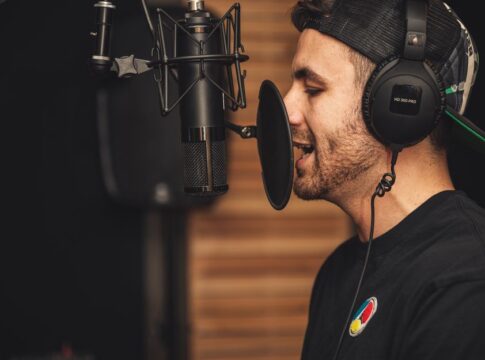
When you watch your favorite animated movie, the chemistry between characters feels so natural that you’d assume the actors recorded their lines together in the same room. The truth is surprisingly different. In nearly all animated films, the voice cast records their performances in isolation, alone in a sound booth with only a microphone, a director, and sometimes a script supervisor for company. This fascinating behind-the-scenes fact reveals just how much skill and imagination voice actors bring to their craft.
The practice isn’t just a quirk of the animation industry—it’s a carefully designed process that offers flexibility, creative control, and practical advantages that ensemble recording simply can’t match. Discover why this solitary method has become the standard, and explore the interesting techniques studios use to create believable character interactions despite the physical separation.
Key Takeaways
- Voice actors in animated films typically record their lines alone in isolated sound booths, rarely working together in the same room.
- This solo recording method allows directors to adjust performances line-by-line and accommodates busy celebrity schedules across different time zones.
- Voice actors often perform without seeing final animation, relying on storyboards, animatics, and director guidance to shape their characters.
- The recording process for a single animated film can span months or even years, with actors returning multiple times for revisions and additional lines.
- Some studios occasionally bring pairs of actors together for key scenes to capture genuine chemistry, though this remains the exception rather than the rule.
- Animation studios record far more dialogue than needed, sometimes capturing three to four times the amount that appears in the final film.
Why The Voice Cast Records Separately
The decision to record voice actors individually stems from practical necessity. Animated films take years to produce, and coordinating multiple celebrity schedules for ensemble recording sessions would be nearly impossible. A-list actors work on multiple projects simultaneously, travel internationally for filming, and have conflicting availability that makes group sessions impractical.
Solo recording also gives directors unprecedented control. They can work with each actor for hours, trying different emotional approaches, varying the pacing, and experimenting with line delivery without the pressure of keeping other performers waiting. This flexibility extends to the animation team as well. Since the voice work typically happens before animation is finalized, directors can adjust the script, rewrite scenes, or add new dialogue as the story evolves.
Sound quality benefits too. Recording in isolation eliminates audio bleed—when one actor’s voice is picked up by another’s microphone—and allows sound engineers to create pristine recordings that can be mixed precisely. Each performance gets dedicated attention, and if one line needs re-recording months later, the actor can return without requiring the entire cast to reassemble.
How Voice Actors Create Chemistry Without Co-Stars
Creating believable character relationships when recording alone requires exceptional talent and imagination. Voice actors rely on several tools to build chemistry with characters they never meet. Directors often play previously recorded dialogue from other actors, allowing performers to react and time their responses naturally. This technique, called “feeding lines,” helps actors understand the rhythm and emotion of a conversation.
Many voice actors develop their characters through physicality even though no one sees them. They gesture, make facial expressions, and move around the recording booth because physical movement affects vocal quality. The energy in a running scene sounds different from a sitting scene, and experienced performers use their entire bodies to create authentic-sounding performances.
Some actors bring props into the booth. If a character is eating, drinking, or handling objects, performing those actions while speaking adds realistic mouth sounds and breathing patterns. This attention to detail creates subtle authenticity that audiences subconsciously recognize.
The Recording Timeline and Process
Voice recording for animated films begins early in production, often before any final animation exists. Actors work from storyboards—comic-book-style drawings that outline scenes—and animatics, which are rough moving versions of storyboards set to temporary dialogue. These tools help performers visualize action and understand context.
The timeline stretches considerably longer than live-action filming. A voice actor might record their role over a dozen separate sessions spanning eighteen months or more. Early sessions capture the main script, but as animators work and the story evolves, actors return for pickup sessions to record new lines, alternate takes, or adjustments that better match the animation.
Studios record far more material than they use. Directors capture multiple emotional variations of each line—happy, sad, angry, surprised—giving editors options during post-production. They also record wild lines: spontaneous utterances, grunts, laughs, and reactions that might be useful later. This extensive library of sounds allows editors to construct performances that precisely match the final animated movements.
Exceptions to the Solo Rule
While isolation remains standard, some productions bring actors together for specific scenes. Studios occasionally pair performers for emotionally intense moments or rapid-fire comedic exchanges where genuine spontaneity adds value. These ensemble sessions are carefully planned exceptions that supplement the primarily solo process.
Certain animation studios have experimented with more collaborative approaches. Some directors gather the cast for table reads before individual recording begins, allowing actors to meet and establish relationships. These sessions don’t produce usable audio for the film but help performers understand character dynamics and develop chemistry that informs their later solo work.
Voice actors who work on animated television series sometimes record together more frequently than film actors, particularly for shows with quick production schedules. However, even in television animation, solo recording remains common due to scheduling constraints and the efficiency it provides.
Comparing Recording Methods
| Recording Method | Advantages | Challenges |
|---|---|---|
| Solo Recording | Flexible scheduling, complete directorial control, pristine audio quality, unlimited retakes | Requires strong imagination, lacks spontaneous chemistry, actors can’t play off each other’s energy |
| Ensemble Recording | Natural chemistry, spontaneous reactions, actors inspire each other, authentic timing | Scheduling nightmares, audio bleed issues, less flexibility for changes, pressure on performers |
| Hybrid Approach | Combines chemistry benefits with practical flexibility, best of both methods | More expensive, time-consuming, requires additional coordination and planning |
The Skills Voice Actors Develop
Professional voice actors cultivate unique abilities to thrive in isolation. They learn to visualize entire scenes from minimal description, creating mental movies that guide their emotional delivery. This imaginative capacity separates exceptional voice performers from those who struggle in the medium.
Timing becomes crucial when working alone. Actors must instinctively know how long to pause, when to interrupt, and how to create conversational rhythm without hearing their scene partners. Directors provide guidance, but experienced performers develop an internal sense of pacing that makes dialogue feel natural.
Vocal stamina matters too. Recording sessions can last four to six hours, with actors repeating lines dozens of times at different intensities. Maintaining character consistency and vocal health throughout these marathon sessions requires training and technique that stage and screen actors don’t always possess.
Frequently Asked Questions
Do voice actors ever meet the other actors in animated films?
Most voice actors never meet their co-stars during production. They might encounter each other at premieres or promotional events after the film is complete, but during actual recording, they work in isolation and connect only through the final edited film.
How long does it take to record voices for an animated movie?
Voice recording for a major animated feature typically spans 12 to 24 months, with individual actors participating in multiple sessions over that period. Each session might last several hours, and actors usually complete their roles across 8 to 15 separate recording appointments.
Can voice actors see the animation while they’re recording?
Usually not. Voice recording happens early in production before final animation exists. Actors work from storyboards and rough animatics, then animators later create movements and expressions that match the recorded vocal performances.
Why don’t animated films use ensemble recording like radio plays?
Celebrity scheduling makes ensemble recording nearly impossible for feature films, and solo sessions give directors more creative control and flexibility. The ability to adjust performances line-by-line and accommodate script changes throughout production outweighs the benefits of live chemistry.
The next time you watch an animated film and marvel at the believable banter between characters, remember the invisible artistry at work. Those performances were crafted in isolation, pieced together from separate sessions, and brought to life through imagination, skill, and the magic of editing. The voice actors you hear never shared a room, yet they created relationships that feel utterly real—a testament to the surprising power of solitary creativity.