
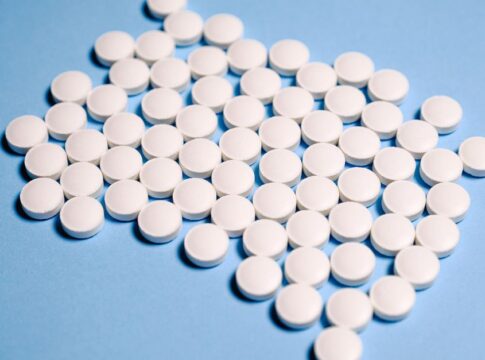
How Aspirin Works: The Chemistry Inside Your Body
By Trivia Daily, Science Desk — Published August 4, 2026
Table of Contents
- Key Takeaways
- How Aspirin Works Chemistry: From Pill to Bloodstream
- The Molecular Mechanism: Acetylation and Enzyme Blocking
- Two Enzymes, Different Roles
- From Willow Bark to Pharmaceutical Breakthrough
- Beyond Pain Relief: Aspirin’s Cardiovascular Effects
- Frequently Asked Questions
You reach for a bottle of aspirin when your head throbs or your muscles ache. Within an hour, the pain fades. But what just happened inside your body? The chemistry of aspirin works through a remarkably elegant molecular trick discovered through decades of scientific research. This common white tablet blocks pain not by numbing your nerves, but by stopping your cells from making the very chemicals that cause inflammation in the first place.
Aspirin’s journey from willow bark remedy to precision medicine reveals how chemistry, biology, and careful experimentation transformed human health. Understanding this process means diving into enzymes, prostaglandins, and a chemical reaction that happens millions of times per second in your bloodstream.
Key Takeaways
- Aspirin works by permanently blocking an enzyme called cyclooxygenase (COX), which your body uses to produce prostaglandins that cause pain and inflammation.
- Unlike most drugs that temporarily bind to their targets, aspirin chemically modifies the COX enzyme through a process called acetylation, shutting it down permanently.
- The active ingredient, acetylsalicylic acid, was first synthesized in stable form in 1897 by chemists at Bayer, though willow bark extracts had been used medicinally for centuries.
- A single aspirin tablet affects trillions of cells, with the chemical reaction occurring within minutes of swallowing the pill.
- Low-dose aspirin reduces blood clotting by preventing platelets from producing thromboxane, a prostaglandin variant that makes blood cells sticky.
- Your body must manufacture entirely new COX enzymes to restore normal prostaglandin production after aspirin exposure, which takes several days.
How Aspirin Works Chemistry: From Pill to Bloodstream
The moment you swallow an aspirin tablet, chemistry takes over. Your stomach acid begins dissolving the pill, releasing acetylsalicylic acid molecules into your digestive system. These molecules are small enough to pass through the stomach lining directly into your bloodstream, though most absorption happens in the small intestine.
Once in your blood, aspirin doesn’t last long in its original form. Enzymes in your blood and liver quickly break it down into salicylic acid, its primary metabolite. Both the intact aspirin molecule and its breakdown product contribute to the drug’s effects, but the magic happens in those first few minutes when aspirin encounters its target.
The real action occurs at the molecular level. Aspirin molecules drift through your bloodstream until they encounter cyclooxygenase enzymes, which sit embedded in cell membranes throughout your body. These enzymes normally convert arachidonic acid—a fatty acid present in cell membranes—into prostaglandins, the hormone-like substances responsible for triggering pain, fever, and inflammation.
The Molecular Mechanism: Acetylation and Enzyme Blocking
Here’s where the chemistry gets fascinating. Aspirin doesn’t just temporarily interfere with the COX enzyme—it permanently deactivates it through a chemical modification called acetylation. The aspirin molecule donates an acetyl group (a small cluster of carbon, hydrogen, and oxygen atoms) to a specific amino acid called serine that sits in the enzyme’s active site.
This acetyl group acts like a molecular plug. Once attached, it physically blocks the channel where arachidonic acid normally enters the enzyme. No entry means no conversion to prostaglandins. No prostaglandins means less pain and inflammation. The reaction is irreversible. That COX enzyme will never function again.
Your body can only restore prostaglandin production by manufacturing brand new COX enzymes to replace the deactivated ones. This process takes time—several days for some cell types—which explains why aspirin’s effects last much longer than the drug remains in your bloodstream. A single dose continues working long after the aspirin molecules themselves have been metabolized and excreted.
Two Enzymes, Different Roles
Scientific research revealed that not all cyclooxygenase enzymes are identical. Your body produces two main variants: COX-1 and COX-2. Understanding this discovery helps explain both aspirin’s benefits and its side effects.
| Enzyme Type | Primary Function | Aspirin’s Effect |
|---|---|---|
| COX-1 | Produces prostaglandins that protect stomach lining and support platelet function | Blocked by aspirin, which can cause stomach irritation |
| COX-2 | Produces prostaglandins in response to injury or infection, causing pain and inflammation | Blocked by aspirin, reducing pain and swelling |
Aspirin blocks both enzymes indiscriminately. This explains why it reduces pain (by inhibiting COX-2) but can also irritate your stomach (by inhibiting COX-1 and reducing protective mucus production). Newer anti-inflammatory drugs were designed to selectively block COX-2 while sparing COX-1, though these selective inhibitors come with their own trade-offs.
From Willow Bark to Pharmaceutical Breakthrough
The story of aspirin connects ancient medicine with modern chemistry. Cultures around the world discovered that chewing willow bark or brewing it into tea could relieve pain and reduce fever. The bark contains salicin, a compound that the body converts into salicylic acid.
Chemists in the nineteenth century isolated and synthesized salicylic acid, but it proved harsh on the stomach. The breakthrough came when researchers modified the molecule by adding an acetyl group, creating acetylsalicylic acid—aspirin. This modification made the drug more stable and somewhat gentler, though stomach irritation remained a common side effect.
The synthesis of aspirin represents one of the first examples of pharmaceutical chemistry improving upon natural remedies. Scientists took a traditional plant-based medicine, identified its active component, and chemically modified it to enhance effectiveness and stability. This approach became a template for modern drug development.
Beyond Pain Relief: Aspirin’s Cardiovascular Effects
One of aspirin’s most important applications emerged from understanding its chemistry at the cellular level. Platelets—the cell fragments that help blood clot—rely on COX-1 to produce thromboxane, a prostaglandin variant that makes them sticky and promotes clotting. When aspirin blocks COX-1 in platelets, it reduces their ability to clump together.
This antiplatelet effect lasts for the entire lifespan of affected platelets, roughly seven to ten days. Because platelets lack nuclei, they cannot synthesize new COX enzymes to replace the ones aspirin deactivated. Low-dose aspirin therapy exploits this biological quirk to reduce the risk of heart attacks and strokes in certain patients by preventing unwanted blood clots.
The same chemistry that stops a headache can prevent a coronary artery from becoming blocked. Few drugs demonstrate such diverse applications from a single molecular mechanism.
Frequently Asked Questions
How long does it take for aspirin to start working?
Aspirin typically begins reducing pain within 30 minutes to an hour after swallowing. The drug reaches peak concentration in your bloodstream within one to two hours, though you may feel relief before maximum levels are achieved as the chemical reaction with COX enzymes begins immediately upon contact.
Why does aspirin upset your stomach?
Aspirin blocks COX-1 enzymes that produce prostaglandins protecting your stomach lining. Without these protective prostaglandins, stomach acid can irritate the lining more easily. Taking aspirin with food or using enteric-coated formulations that dissolve in the intestine rather than the stomach can reduce this effect.
Is aspirin the same as ibuprofen or acetaminophen?
No. While ibuprofen also blocks COX enzymes (though reversibly, unlike aspirin), acetaminophen works through a different mechanism not fully understood but likely involving the central nervous system rather than peripheral prostaglandin synthesis. Each drug has distinct chemistry and different risk profiles.
Can your body become resistant to aspirin?
True chemical resistance to aspirin is rare because the acetylation reaction is so straightforward. However, some people show aspirin resistance in terms of cardiovascular protection, possibly due to genetic variations in how quickly they produce new COX enzymes or increased prostaglandin production through alternative pathways.
Every time you take aspirin, you’re witnessing chemistry in action—a simple molecule performing an irreversible modification on billions of enzyme targets throughout your body. This elegant mechanism, refined through evolution and improved by human ingenuity, continues to relieve suffering more than a century after scientists first stabilized it in a laboratory. The next time that headache fades, you’ll know exactly what chemical reaction just occurred inside you.