
Why Do Chess Grandmasters Burn 6000 Calories Per Day
By Trivia Daily, Staff Writer — Published November 8, 2026
Table of Contents
- Key Takeaways
- How Chess Grandmasters Burn Calories Through Mental Effort
- The Stress Response: Where Most Calories Disappear
- Sleep Deprivation and Metabolic Chaos
- Comparing Mental and Physical Athletic Demands
- Why Physical Fitness Matters for Chess Champions
- Frequently Asked Questions
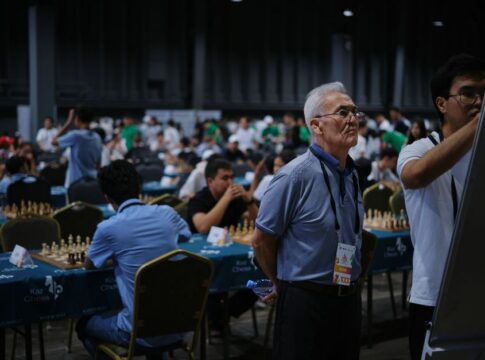
Picture a chess grandmaster sitting motionless for hours, eyes fixed on a board, barely moving except to slide a piece across 64 squares. Now imagine that same player burning as many calories as someone running a marathon. Sounds impossible, right? Yet during elite chess tournaments, grandmasters can burn up to 6,000 calories per day—a surprising fact that reveals just how physically demanding extreme mental effort can be. While chess grandmasters burn calories at rates that shock most people, the science behind this phenomenon tells a fascinating story about stress, metabolism, and the hidden costs of thinking at the highest level.
This isn’t about the occasional friendly game at the park. Tournament chess at the grandmaster level pushes the human body into a state of sustained stress that rivals intense physical competition. The combination of mental strain, elevated heart rate, disrupted sleep, and skipped meals creates a perfect storm of caloric expenditure that transforms chess into an unexpectedly grueling athletic event.
Key Takeaways
- Elite chess players can burn between 3,000 and 6,000 calories during tournament days, with the brain accounting for roughly 20% of the body’s total energy use.
- Grandmasters experience heart rates between 110 and 140 beats per minute during intense games—comparable to moderate aerobic exercise.
- Tournament stress triggers elevated cortisol and adrenaline levels that increase metabolic rate significantly above resting baseline.
- Top players can lose 10-15 pounds during a single multi-week tournament despite eating continuously.
- The brain uses approximately 320 calories per day at rest, but intense concentration can increase glucose consumption in active brain regions.
- Physical fitness training has become standard practice for elite chess players to maintain stamina during grueling tournament schedules.
How Chess Grandmasters Burn Calories Through Mental Effort
The human brain typically consumes about 20% of the body’s resting metabolic energy despite representing only 2% of body weight. For an average adult, that translates to roughly 320 calories per day just to keep the lights on. But during intense cognitive tasks, specific brain regions dramatically increase their glucose consumption.
During tournament play, grandmasters engage in calculations that require visualizing dozens of positions, evaluating complex tactical patterns, and maintaining concentration for six to eight hours straight. This sustained mental effort increases brain glucose metabolism, though the brain’s direct caloric burn might only account for a few hundred extra calories. The real story lies elsewhere.
What amplifies caloric expenditure to marathon levels isn’t the brain working harder in isolation—it’s the whole-body stress response that accompanies championship-level competition. The sympathetic nervous system kicks into high gear, flooding the bloodstream with stress hormones that prepare the body for sustained alertness.
The Stress Response: Where Most Calories Disappear
Studies of elite chess players during tournaments reveal heart rates sustained at 110 to 140 beats per minute for hours. That’s the cardiovascular equivalent of a brisk walk or light jog, maintained while sitting perfectly still. This elevated heart rate isn’t caused by physical movement but by the intense psychological pressure of competition.
Cortisol and adrenaline levels spike during tournament games. These stress hormones increase metabolic rate, accelerate heart rate, and trigger the breakdown of glycogen stores for quick energy. The body essentially believes it’s in a survival situation, mobilizing resources as if preparing for physical combat or escape.
Blood pressure rises. Breathing becomes shallow and rapid. Muscles tense involuntarily, particularly in the shoulders, neck, and back. All these physiological responses consume energy continuously throughout the game. Multiply this by multiple games per day across weeks of tournament play, and the caloric toll becomes staggering.
Sleep Deprivation and Metabolic Chaos
Tournament chess disrupts normal sleep patterns catastrophically. Grandmasters often lie awake for hours after games, their minds replaying critical positions and analyzing missed opportunities. The combination of mental exhaustion and adrenaline makes restful sleep nearly impossible.
Sleep deprivation itself increases metabolic rate and disrupts hunger hormones like leptin and ghrelin. Players report feeling simultaneously exhausted and unable to eat properly. Some force themselves to consume calories between games, knowing they’re running a dangerous energy deficit. Others simply can’t stomach food while their nervous systems remain in overdrive.
This creates a vicious cycle: poor sleep increases stress, which burns more calories, which requires more food, but stress suppresses appetite. Over the course of a two or three-week tournament, grandmasters can lose dramatic amounts of weight—often 10 to 15 pounds—despite their best efforts to maintain caloric intake.
Comparing Mental and Physical Athletic Demands
| Activity | Approximate Calories Burned Per Hour | Primary Energy Source |
|---|---|---|
| Resting (sitting quietly) | 60-80 | Baseline metabolism |
| Casual chess game | 80-100 | Normal brain function |
| Tournament chess (grandmaster level) | 400-600 | Stress response, elevated heart rate, mental effort |
| Running (moderate pace) | 400-500 | Muscular contraction, cardiovascular work |
| Swimming (vigorous) | 500-700 | Full-body muscular effort |
Why Physical Fitness Matters for Chess Champions
Modern elite players have embraced physical training as essential preparation. World champions incorporate cardio workouts, strength training, and yoga into their routines. This isn’t about building muscle to move pieces faster—it’s about cardiovascular endurance to withstand the metabolic demands of tournament play.
Better cardiovascular fitness means the body can sustain elevated heart rates more efficiently. Improved stress management through exercise helps regulate cortisol responses. Physical stamina translates directly to mental stamina during the critical final hours of a grueling game when fatigue causes mistakes.
Players who neglect physical conditioning often fade in tournaments, making errors in time pressure or struggling to maintain focus during multiple-game days. The stereotype of the sedentary chess player has given way to athletes who recognize that championship thinking requires championship bodies.
Frequently Asked Questions
Do casual chess players burn the same calories as grandmasters?
No. Casual players burn only slightly more calories than normal sitting activity—perhaps 80 to 100 calories per hour. The extreme caloric burn occurs only under tournament conditions with intense time pressure, championship stakes, and sustained multi-hour concentration that triggers the full stress response.
Can you lose weight by playing chess?
For most recreational players, chess burns too few additional calories to contribute meaningfully to weight loss. However, tournament players competing at high levels for extended periods can lose significant weight due to the combination of stress-induced metabolic changes and disrupted eating patterns.
Why don’t chess players just eat more to compensate?
Many try, but tournament stress often suppresses appetite while simultaneously increasing caloric needs. The combination of elevated cortisol, adrenaline, and mental exhaustion makes it difficult to consume and digest the 5,000 to 6,000 calories needed to maintain weight during intense competition.
Is the 6,000 calorie figure verified by research?
Studies have documented significant weight loss in tournament players and measured elevated heart rates and stress hormones during competition. The 6,000 calorie estimate represents the upper range during the most intense tournament conditions and includes all daily activities, not just the games themselves.
The next time you watch a chess match and see motionless players locked in silent battle, remember that beneath the calm exterior, their bodies are running a physiological marathon. The mind and body remain inseparable partners, even when the contest appears purely cerebral. Chess proves that thinking, when pushed to its limits, demands as much from the human body as any physical sport.