
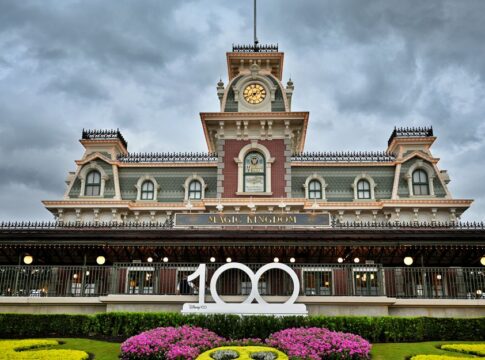
Why Disney Parks Smell Like Popcorn: The Psychology Secret
By Trivia Daily, Staff Writer — Published July 29, 2026
Table of Contents
- Key Takeaways
- The Disney Parks Smell System: How It Actually Works
- The Psychology Behind Scent Marketing
- Beyond Popcorn: Disney’s Full Scent Palette
- The Business Case for Scent
- The Ethical Questions Nobody Asks
- Frequently Asked Questions
Walk down Main Street, U.S.A. at any Disney park, and you’ll notice something surprising before you see the castle: the unmistakable aroma of freshly popped popcorn. That scent isn’t accidental. Disney parks smell deliberately engineered, using a fascinating blend of psychology, technology, and sensory design to create emotional connections that keep guests coming back. This invisible layer of the Disney experience taps into powerful memories and influences behavior in ways most visitors never consciously realize.
The strategic use of scent represents one of the most interesting facts about theme park design. While guests focus on rides and characters, Disney’s Imagineers have spent decades perfecting an olfactory landscape that enhances every corner of the park. Discover how this amazing sensory trick works and why your nose might be the most manipulated sense during your magical visit.
Key Takeaways
- Disney uses a technology called “Smellitizers” to pump specific scents through vents and air systems throughout the parks, creating manufactured atmospheric experiences.
- Popcorn and vanilla scents are strategically placed because they trigger nostalgia and positive emotional associations, increasing guest satisfaction and spending.
- The human sense of smell is directly connected to the limbic system, the brain region responsible for emotion and memory, making scent marketing extraordinarily effective.
- Disney’s scent strategy extends beyond food areas—you’ll find pine in wilderness-themed lands, salty ocean air near water attractions, and even burning wood smells near certain rides.
- Studies show pleasant ambient scents can increase time spent in retail environments by up to 20% and boost purchase intentions significantly.
- The practice, called “scent marketing” or “ambient scenting,” has become common in retail, hospitality, and entertainment industries worldwide.
The Disney Parks Smell System: How It Actually Works
Disney’s approach to scent distribution relies on sophisticated delivery systems built into the park infrastructure. Specialized devices, often referred to within the industry as scent diffusers or air enhancement systems, pump fragrances through HVAC systems, hidden vents, and strategically placed emitters. These aren’t simple air fresheners. They’re precisely calibrated to release specific concentrations at specific times.
The popcorn smell on Main Street comes partly from actual popcorn carts, but Disney amplifies and extends this aroma far beyond what natural cooking would produce. Bakery scents waft from the confectionery shops with similar enhancement. On Pirates of the Caribbean, riders smell musty dungeon air and burning torches. Near the Haunted Mansion, there’s a deliberate mustiness. Soarin’ attractions feature scents matching the on-screen environments—fresh-cut grass, ocean spray, pine forests.
The technology isn’t unique to Disney. Similar systems exist in hotels, casinos, retail stores, and airports worldwide. What makes Disney’s implementation remarkable is the scale, consistency, and thematic integration across every guest touchpoint.
The Psychology Behind Scent Marketing
The human olfactory system connects directly to the amygdala and hippocampus, brain structures central to processing emotion and memory. This neurological shortcut explains why a single whiff can transport you back to childhood or trigger an immediate emotional response. Vision and sound travel through the thalamus first, getting filtered and processed. Smell bypasses that checkpoint entirely.
Research in consumer psychology has consistently demonstrated that ambient scent influences behavior. Pleasant aromas increase the time people spend in environments, improve their mood ratings, and enhance their memory of experiences. Crucially for Disney’s business model, positive scents correlate with increased willingness to spend money and higher satisfaction scores on post-visit surveys.
Popcorn and vanilla rank among the most universally appealing scents across cultures and age groups. Popcorn evokes associations with entertainment, celebration, and treats. Vanilla triggers comfort and warmth. Both smells are considered “approach” scents—they draw people in rather than repel them. Disney leverages these associations to create an atmosphere where guests feel happy, nostalgic, and receptive to the overall experience.
Why Popcorn Specifically?
Popcorn serves multiple strategic purposes. First, it’s deeply embedded in American entertainment culture, associated with movies, carnivals, and special occasions. Second, the smell is appetizing without being overwhelming or polarizing like, say, grilled onions might be. Third, popcorn is inexpensive to produce but commands premium pricing in theme parks, making it a high-margin snack. The scent essentially functions as advertising, reminding guests that this treat is available and desirable.
Beyond Popcorn: Disney’s Full Scent Palette
Disney’s olfactory design extends far beyond Main Street. Each themed land receives its own signature scents to enhance immersion:
- Adventureland and jungle-themed areas feature tropical and floral notes, sometimes with hints of spice
- Frontierland and wilderness areas incorporate wood smoke, pine, and earthy scents
- Tomorrowland traditionally uses cleaner, more neutral scents to evoke futuristic sterility
- Resort hotels deploy signature scents in lobbies to create memorable brand associations
- Water attractions near beaches or ocean scenes use salt-air fragrances
Some attractions feature dynamic scent changes synchronized with the ride experience. This multisensory approach, sometimes called “4D” entertainment, creates more vivid and memorable experiences than visual and audio stimulation alone.
The Business Case for Scent
Disney’s investment in scent technology isn’t purely about guest experience—it’s calculated business strategy. Theme parks generate substantial revenue from food, beverage, and merchandise sales. Anything that keeps guests happier, more comfortable, and more receptive to spending directly impacts the bottom line.
Hospitality industry research suggests that signature scents can increase brand recognition by significant margins. When guests smell that particular popcorn aroma years later, even outside a Disney park, it can trigger positive memories and brand loyalty. This associative conditioning represents powerful, long-term marketing.
| Scent Type | Primary Location | Psychological Effect |
|---|---|---|
| Popcorn & Vanilla | Main Street, U.S.A. | Nostalgia, comfort, appetite stimulation |
| Citrus & Tropical | Adventureland areas | Energy, excitement, exotic atmosphere |
| Pine & Wood Smoke | Frontier/wilderness lands | Outdoor adventure, natural environment |
| Ocean/Salt Air | Water attractions | Freshness, vacation mindset |
| Bakery/Confection | Sweet shops | Indulgence, treat justification |
The Ethical Questions Nobody Asks
Scent marketing operates largely below conscious awareness, which raises interesting questions about manipulation and consent. Guests pay admission knowing they’ll encounter characters, rides, and shows. Few realize they’re also entering an environment where their emotional responses and purchasing behavior are being influenced through carefully engineered smells.
Consumer advocacy groups have occasionally raised concerns about subliminal marketing techniques, though scent marketing generally falls outside regulatory frameworks that govern advertising. Unlike visual or audio advertisements, ambient scent doesn’t announce itself. You can close your eyes or cover your ears, but breathing is non-negotiable.
That said, most guests would likely view Disney’s scent strategy as enhancement rather than manipulation. The smells are pleasant, thematically appropriate, and contribute to the immersive environment people expect from a premium theme park experience. The line between creating atmosphere and exploiting psychology remains subjectively drawn.
Frequently Asked Questions
Do all Disney parks use artificial scent systems?
Yes, Disney parks worldwide employ scent technology as part of their atmospheric design. The specific scents may vary slightly by location and cultural preferences, but the fundamental strategy remains consistent across all Disney properties.
Can you buy the scents Disney uses in their parks?
Some Disney resort signature scents have been made available for purchase through Disney stores and online, though the exact formulations used in park scent systems are proprietary. Third-party companies also sell fragrances marketed as Disney-inspired scents.
Does scent marketing actually increase sales?
Research consistently shows that pleasant ambient scents increase time spent in retail environments, improve mood and satisfaction ratings, and correlate with higher purchase rates. The effect size varies, but the phenomenon is well-documented in consumer psychology literature.
Are the scents safe for people with allergies or sensitivities?
Disney uses commercial-grade scent systems designed for public spaces, which typically employ diluted concentrations. However, individuals with severe fragrance sensitivities or respiratory conditions may still experience discomfort. Disney’s guest services can provide information about lower-scent areas if needed.
Next time you visit a Disney park, pay attention to what your nose tells you. That popcorn smell isn’t just a happy accident—it’s a carefully orchestrated element of an experience designed to engage every sense. The most magical trick might be that even knowing the secret doesn’t break the spell.