
Did You Know Vinyl Records Outsell Digital Downloads Today
By Trivia Daily, Staff Writer — Published November 4, 2026
Table of Contents
- Key Takeaways
- Why Vinyl Records Outsell Downloads: The Numbers Behind the Revival
- The Tangible Appeal in an Intangible World
- Collectibility and the Hunt for Rare Pressings
- Comparing Music Formats: A Modern Landscape
- The Industry Adapts to Vinyl’s Unexpected Return
- What Vinyl’s Success Reveals About Music Consumption
- Frequently Asked Questions
In an age where streaming dominates music consumption, a surprising trend has emerged: vinyl records outsell digital downloads. This isn’t a fleeting nostalgia trip—it’s a sustained reversal that would have seemed impossible just a decade ago. The format once declared dead has not only survived but thrived, capturing the curiosity of collectors and casual listeners alike. What makes this comeback so fascinating is that it reveals something deeper about how we value music in the digital era.
The numbers tell an amazing story. By the mid-2010s, vinyl sales began climbing steadily while digital download purchases plummeted. Streaming services didn’t kill vinyl—they killed downloads. People who want convenience choose streaming; those seeking a physical connection to music increasingly choose the warm crackle of a turntable over a file on their hard drive.
Key Takeaways
- Vinyl records have outsold digital downloads in the United States since around 2019, marking a complete format reversal.
- The resurgence began in earnest during the 2000s, with sales growing consistently for over fifteen consecutive years.
- Younger listeners, particularly millennials and Gen Z, drive much of the current vinyl market despite growing up in the digital age.
- Vinyl offers tangible album art, collectibility, and a ritualistic listening experience that streaming and downloads cannot replicate.
- Major artists now release special vinyl editions, often with exclusive artwork or colored pressings, fueling collector interest.
- The format’s physical limitations—its size, fragility, and need for dedicated equipment—have paradoxically become part of its appeal.
Why Vinyl Records Outsell Downloads: The Numbers Behind the Revival
The shift happened gradually, then suddenly. Digital download sales peaked in the early 2010s before beginning a steep decline. iTunes purchases, once revolutionary, couldn’t compete with the all-you-can-hear buffet of Spotify and Apple Music. Meanwhile, vinyl kept climbing. By 2020, vinyl revenue in the United States exceeded digital download revenue for the first time since the 1980s.
This trend continues. Vinyl sales represent a growing share of physical music revenue, even as CDs continue their long decline. The Recording Industry Association of America tracks these figures, documenting what many industry observers call one of the most unexpected comebacks in entertainment history.
What’s particularly interesting is who’s buying. You might assume baby boomers nostalgic for their youth dominate the market, but data suggests otherwise. Younger music fans—people who’ve never known a world without digital music—account for a substantial portion of vinyl buyers. They’re discovering the format fresh, without preconceived notions.
The Tangible Appeal in an Intangible World
Vinyl offers something downloads never could: physical presence. A twelve-inch album sleeve becomes a canvas for artwork you can actually hold and study. Liner notes provide lyrics, credits, and sometimes essays or photography that transform an album into an artifact.
The listening experience itself differs fundamentally. Playing a record requires intention. You select an album, remove it from its sleeve, place it on the platter, and lower the needle. You flip it halfway through. This ritual creates focus. Unlike streaming’s infinite shuffle, vinyl encourages you to experience an album as the artist intended—as a complete work from first track to last.
Sound quality sparks debate. Audiophiles argue about warmth, dynamic range, and the character of analog versus digital. While streaming audio quality has improved dramatically, vinyl’s imperfections—the subtle pops, the slight variations between pressings—contribute to its character. Some listeners find these quirks charming rather than problematic.
Collectibility and the Hunt for Rare Pressings
Vinyl has become collectible in ways downloads never could be. Limited edition pressings, colored vinyl variants, and special releases create scarcity and value. Record Store Day, an annual celebration launched in 2007, has become a cultural phenomenon where exclusive releases sell out within hours.
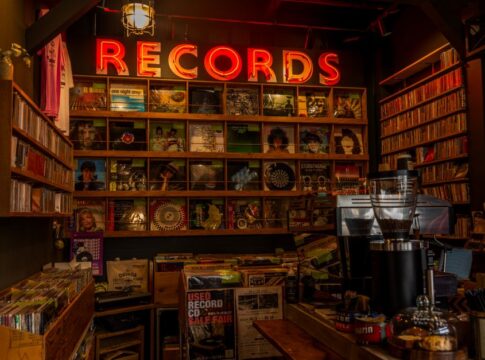
The secondhand market thrives. Crate digging—searching through used record bins for hidden gems—combines treasure hunting with music discovery. You might find a rare first pressing, an obscure import, or simply an album you’d never have encountered through algorithmic recommendations.
Condition matters. Mint versus near-mint, original versus reissue, first pressing versus later editions—these distinctions create a grading system that gives vinyl tangible value. You can’t resell a digital download, but a well-maintained record collection can appreciate over time.
Comparing Music Formats: A Modern Landscape
| Format | Primary Appeal | Typical Cost Per Album | Market Trend |
|---|---|---|---|
| Streaming | Unlimited access, convenience | $0 (with subscription) | Dominant and growing |
| Vinyl Records | Collectibility, sound character, artwork | $20–$35 | Steady growth since 2000s |
| Digital Downloads | Ownership, portability | $9–$12 | Declining sharply |
| CDs | Convenience, sound quality | $12–$18 | Long-term decline |
The Industry Adapts to Vinyl’s Unexpected Return
Manufacturing capacity became a bottleneck. As demand surged, the limited number of vinyl pressing plants worldwide struggled to keep pace. New plants opened, and existing facilities expanded operations. Lead times stretched from weeks to months for new releases.
Major labels and independent artists alike now plan vinyl releases carefully. Special editions with unique artwork, colored vinyl, or bonus tracks create multiple versions for collectors. Some albums debut on vinyl before other formats, reversing the traditional release sequence.
Turntable manufacturers experienced their own renaissance. Companies that had ceased production restarted operations. New brands emerged, offering everything from budget-friendly entry-level models to high-end audiophile equipment. The devices themselves became design objects, displayed prominently rather than hidden away.
What Vinyl’s Success Reveals About Music Consumption
The triumph of vinyl alongside streaming—not despite it—suggests people want different things from music. Streaming satisfies the desire for variety and discovery. Vinyl satisfies the desire for connection and permanence. They’re complementary, not competing.
This duality reflects broader cultural tensions. In a world of digital ephemerality, physical objects gain meaning. When everything lives in the cloud, something you can hold becomes precious. When algorithms curate your experience, making your own choices feels rebellious.
Vinyl’s resurgence also demonstrates that convenience doesn’t always win. Sometimes inconvenience—the ritual, the effort, the limitations—creates value. The format’s constraints become features rather than bugs.
Frequently Asked Questions
When did vinyl records start outselling digital downloads?
Vinyl revenue surpassed digital download revenue in the United States around 2019-2020, marking the first time since the 1980s that vinyl outperformed the then-dominant digital format. The trend has continued since then.
Why do people still buy vinyl when streaming is available?
Vinyl offers tangible ownership, superior album artwork, collectibility, and a focused listening experience that streaming doesn’t provide. Many buyers enjoy both formats for different purposes—streaming for discovery and convenience, vinyl for intentional listening and collection.
Does vinyl actually sound better than digital formats?
Sound quality depends on many factors including mastering, pressing quality, and playback equipment. Vinyl has a distinctive analog warmth and dynamic range, but well-mastered digital formats can achieve excellent fidelity. The preference is often subjective and tied to listening context.
Are vinyl records more environmentally friendly than digital music?
Not necessarily. Vinyl production requires petroleum-based materials and energy-intensive manufacturing. Digital music requires energy for servers and streaming infrastructure. Both formats have environmental costs, though in different forms.
The story of vinyl’s comeback reminds us that technology doesn’t move in straight lines. Formats we declare obsolete sometimes find new life in unexpected ways. As long as people crave the weight of an album in their hands and the ceremony of dropping a needle, vinyl will continue spinning its unlikely success story.