
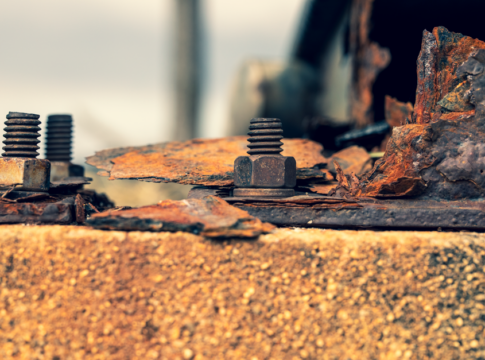
Why Does Rust Form Only on Iron and Steel Objects
By Trivia Daily, Science Desk — Published November 4, 2026
Table of Contents
- Key Takeaways
- Why Rust Form Iron: The Chemistry Behind the Reaction
- Why Other Metals Don’t Rust
- The Role of Water and Salt in Rust Formation
- Steel’s Vulnerability: Why Iron Alloys Still Rust
- Preventing and Treating Rust
- Frequently Asked Questions
Walk through any junkyard, and you’ll notice a peculiar pattern: old cars, metal beams, and forgotten tools wear a telltale coat of reddish-brown oxidation, while aluminum cans and copper pipes remain rust-free. This isn’t coincidence. Rust—that flaky, crumbly substance that devours iron and steel—is a chemical reaction so specific that it occurs only on objects containing iron. Understanding why rust form iron and not other metals reveals a fascinating chemistry lesson hiding in plain sight, one that costs the global economy billions of dollars annually in infrastructure damage and maintenance.
The scientific explanation lies in iron’s unique atomic structure and its enthusiastic reaction with oxygen and water. Unlike aluminum, which forms a protective oxide layer, or gold, which barely reacts at all, iron creates a porous, ever-expanding compound that can consume an entire metal object given enough time.
Key Takeaways
- Rust is iron oxide (Fe₂O₃·nH₂O), a compound that forms exclusively when iron reacts with oxygen in the presence of water or moisture.
- Steel rusts because it’s primarily composed of iron, typically containing between 98-99% iron by weight.
- Unlike aluminum oxide or copper patina, iron oxide is porous and flaky, allowing oxygen and water to penetrate deeper and continue the corrosion process.
- The rust formation process is an electrochemical reaction requiring four components: iron, oxygen, water, and an electrolyte (often dissolved salts).
- Other metals oxidize too, but they don’t form “rust”—that term applies only to iron oxide corrosion.
- Corrosion costs developed nations roughly 3-4% of their gross domestic product annually, with rust accounting for a significant portion.
Why Rust Form Iron: The Chemistry Behind the Reaction
The rust formation process is an oxidation-reduction reaction, a fundamental concept in chemistry where electrons transfer between atoms. When iron encounters oxygen and water simultaneously, it doesn’t simply coat itself in a protective layer—it begins a self-destructive cycle. Iron atoms lose electrons (oxidation), becoming positively charged iron ions. These ions then combine with oxygen from air and hydroxide ions from water to create hydrated iron oxide, the scientific name for rust.
This reaction happens in stages. First, iron loses electrons at what scientists call the anodic site, creating ferrous ions (Fe²⁺). Meanwhile, at the cathodic site, oxygen dissolved in water gains those electrons. The ferrous ions then react with oxygen to form ferric ions (Fe³⁺), which combine with water molecules to create the familiar reddish-brown compound we recognize as rust. The chemical formula Fe₂O₃·nH₂O indicates that rust contains varying amounts of water molecules incorporated into its crystal structure.
What makes this process particularly destructive is its porous nature. Unlike the tight, protective oxide layer that forms on aluminum—which actually prevents further oxidation—rust is loose and flaky. It allows water and oxygen to seep through to the underlying metal, perpetuating the corrosion cycle. A single rust spot can spread across an entire iron surface if left unchecked.
Why Other Metals Don’t Rust
Many metals oxidize when exposed to air and moisture, but they don’t produce rust. The distinction matters both scientifically and practically. Aluminum, for instance, reacts with oxygen almost immediately upon exposure to air, forming aluminum oxide (Al₂O₃). This oxide layer, however, is incredibly thin—typically just a few nanometers—and adheres tightly to the metal surface. It’s so effective that it prevents further oxidation, essentially sealing the aluminum from the environment.
Copper follows a different path. When exposed to the elements, it develops a greenish coating called patina, composed of copper carbonate and copper sulfate. This weathered appearance, visible on old pennies and the Statue of Liberty, actually protects the underlying copper from further corrosion. The chemistry is entirely different from iron’s reaction, producing compounds with distinct colors and protective properties.
Gold and platinum resist oxidation almost entirely under normal conditions. Their atomic structure makes them exceptionally stable, which explains both their use in jewelry and their value throughout human history. These noble metals simply don’t have iron’s eagerness to surrender electrons to oxygen.
| Metal | Oxidation Product | Color | Protective? |
|---|---|---|---|
| Iron | Iron oxide (rust) | Reddish-brown | No—porous and flaky |
| Aluminum | Aluminum oxide | Transparent/gray | Yes—forms tight barrier |
| Copper | Copper carbonate/sulfate | Green (patina) | Yes—prevents deeper corrosion |
| Gold | None under normal conditions | Original gold color | N/A—doesn’t oxidize |
The Role of Water and Salt in Rust Formation
Dry iron in pure oxygen won’t rust, at least not at any appreciable rate. Water acts as the essential medium for the electrochemical reaction, allowing ions to move between the anodic and cathodic sites on the metal’s surface. Even high humidity can provide enough moisture for rust to begin its destructive work, which explains why tools stored in damp basements or coastal garages corrode faster than those kept in dry environments.
Salt dramatically accelerates the process. Sodium chloride and other dissolved salts increase water’s electrical conductivity, making it a better electrolyte. This speeds electron transfer during the oxidation-reduction reaction. Coastal regions and areas where roads are salted in winter experience significantly higher rust rates. Ocean-going ships and vehicles in northern climates face constant battles against corrosion, requiring extensive protective measures like galvanization, paint, and sacrificial anodes.
Research into corrosion mechanisms has revealed that even seemingly minor environmental factors influence rust formation rates. Temperature, pH levels, and the presence of pollutants all play roles in how quickly iron degrades. Industrial areas with sulfur dioxide emissions, for example, often see faster corrosion rates than rural locations with cleaner air.
Steel’s Vulnerability: Why Iron Alloys Still Rust
Steel, humanity’s most widely used structural metal, consists primarily of iron with small amounts of carbon and sometimes other elements like chromium, nickel, or manganese. Because steel retains iron’s fundamental chemistry, it remains susceptible to rust formation. The carbon content—typically between 0.2% and 2.1% by weight—doesn’t prevent oxidation; it primarily affects strength, hardness, and other mechanical properties.
Stainless steel represents the major exception. By adding at least 10.5% chromium to the iron-carbon mixture, metallurgists create an alloy that forms its own protective chromium oxide layer, similar to aluminum’s self-sealing behavior. This invisible coating prevents oxygen and water from reaching the underlying iron, effectively stopping rust before it starts. Different stainless steel grades contain varying amounts of chromium, nickel, and other elements, each formulated for specific applications and corrosion resistance levels.
Even stainless steel isn’t completely immune, however. In certain environments—particularly those with high chloride concentrations or low oxygen availability—even stainless steel can experience pitting corrosion or stress corrosion cracking. The chemistry of corrosion remains an active area of materials science research, with ongoing experiments seeking better protective strategies.
Preventing and Treating Rust
Humans have developed numerous strategies to combat rust, each based on interrupting the chemical reaction at different stages. Painting creates a physical barrier preventing oxygen and water from contacting the iron surface. Galvanization coats iron or steel with zinc, which corrodes preferentially, sacrificing itself to protect the underlying metal. Oil and grease provide temporary moisture barriers, explaining why tools are often stored with a light coating of protective oil.
More sophisticated approaches include cathodic protection, where a more reactive metal (like magnesium or zinc) is electrically connected to the iron structure. This sacrificial anode corrodes instead of the protected metal, a technique widely used on ships, pipelines, and storage tanks. Chemical conversion coatings, like phosphate treatments, create a thin layer that both resists corrosion and improves paint adhesion.
When rust has already formed, removal options range from simple wire brushing to chemical treatments with phosphoric acid, which converts iron oxide into a more stable iron phosphate compound. The key principle remains the same: eliminate existing rust and prevent the conditions that allow new rust to form.
Frequently Asked Questions
Can rust form in space or on other planets?
Rust requires both oxygen and water, so it won’t form in the vacuum of space. However, Mars has iron oxide on its surface, giving the planet its reddish color, though this formed through different chemical processes over billions of years involving the planet’s ancient atmosphere and water.
Does rust weigh more than the original iron?
Yes, rust weighs more than the iron it replaces because it incorporates oxygen and water molecules into its structure. The added mass comes from these elements combining with the iron atoms during the oxidation process.
Is rust dangerous to human health?
Rust itself is not toxic and poses minimal health risks if touched or accidentally ingested in small amounts. The main danger comes from tetanus bacteria, which can live in soil and rusty objects, not from the rust itself—this is why rusty puncture wounds require medical attention.
Why does rust appear orange or reddish-brown?
The color comes from iron oxide’s molecular structure, which absorbs certain wavelengths of light and reflects others. The specific shade varies depending on the hydration level and whether the compound is primarily ferric oxide (Fe₂O₃) or contains other iron oxide forms.
Next time you spot rust creeping across a forgotten bicycle or aging bridge, you’re witnessing a billion-year-old chemical dance between iron atoms and Earth’s atmosphere—a reaction so specific and so persistent that it shapes how we build, maintain, and eventually recycle the metal infrastructure of modern civilization.